Seasonal Olive Orchard Maintenance Tips for Optimal Yield


Spring: Preparing for Growth
As the chill of winter fades, it's essential to prepare your olive orchard for the upcoming growing season. Start by inspecting your trees for any signs of damage or disease that might have occurred during the colder months. Removing dead or diseased wood is crucial to prevent the spread of any issues.
Pruning is a key task during spring. It helps improve sunlight penetration and air circulation within the canopy, promoting healthy growth. Ensure you prune selectively, focusing on removing suckers and thinning out dense areas.
Soil and Nutrient Management
Spring is also the time to focus on soil health. Conduct a soil test to determine nutrient levels and adjust your fertilization plan accordingly. Organic matter, like compost, can be added to improve soil structure and fertility. A balanced fertilizer can support the trees’ growth and fruit production.
Summer: Monitoring and Irrigation
As temperatures rise, maintaining adequate water levels is crucial for olive trees. Implementing a consistent irrigation schedule helps ensure that the trees receive enough moisture without waterlogging the roots. Drip irrigation systems are particularly effective for this purpose.
During the summer months, monitor your olive trees for signs of pests and diseases. Common pests include the olive fruit fly and scale insects. Regular inspections and the use of appropriate controls, such as organic insecticides, are vital for protecting your crop.

Weed Control
Weeds compete with olive trees for nutrients and water, making weed management a priority. Employing mulch around the base of the trees can suppress weed growth and help retain soil moisture. Regular mowing or hoeing can also keep weeds at bay.
Autumn: Preparing for Harvest
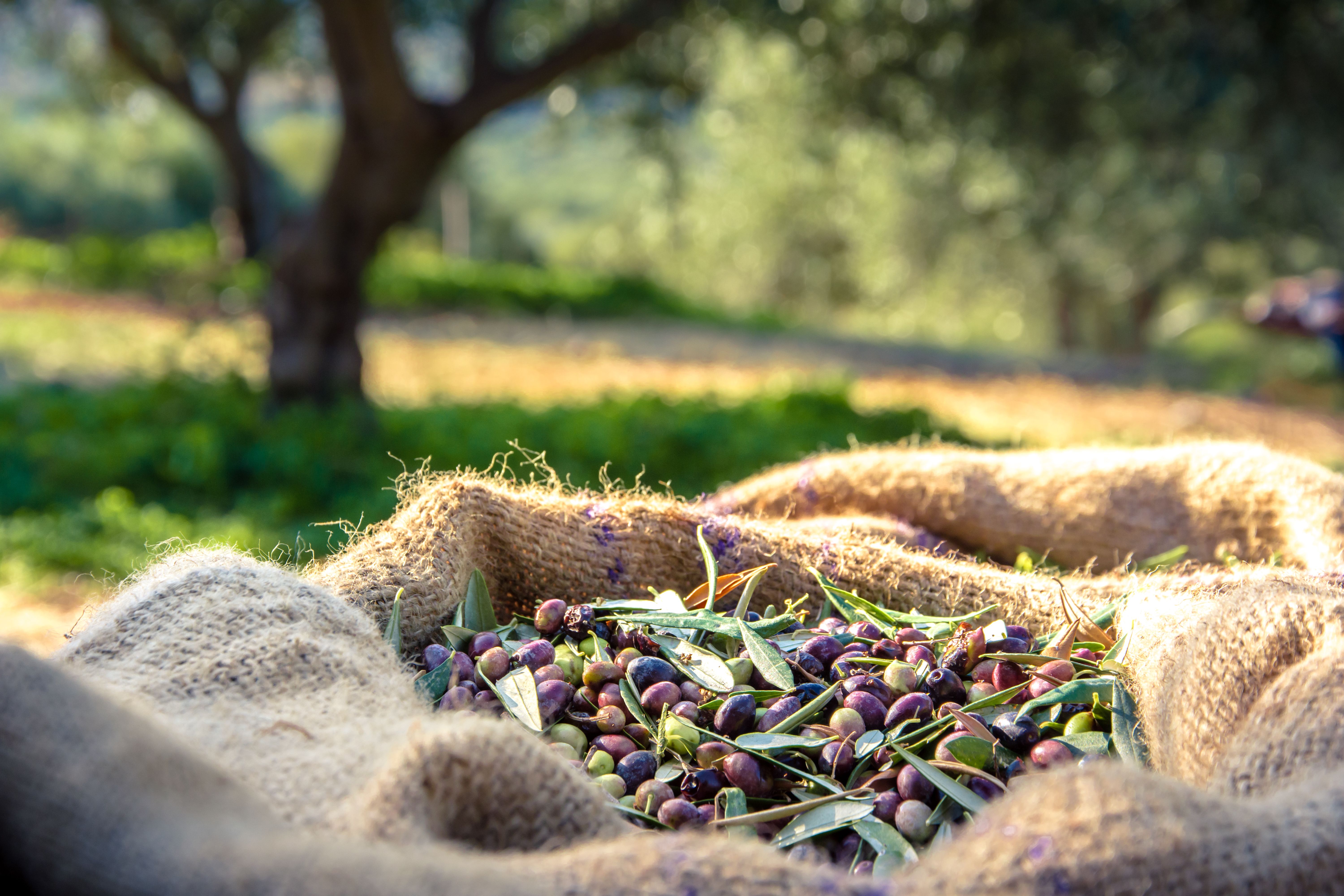
As autumn approaches, olive trees begin to bear fruit, and it's time to prepare for harvest. The timing of the harvest depends on the desired flavor profile of the olive oil. Early harvest yields a more robust flavor, while a later harvest results in milder oil.
Before harvesting, ensure your equipment is in good condition and that you have enough storage facilities for the olives. Proper handling during harvest is essential to maintain fruit quality and optimize yield.
Post-Harvest Care
After the harvest, focus on post-harvest care. This includes cleaning up fallen leaves and olives to prevent pest and disease build-up. It's also a good time to apply a light fertilizer to support tree recovery and preparation for the next season.
Winter: Dormancy and Protection
Winter is a period of dormancy for olive trees, but some maintenance is still required. Protecting young trees from frost with covers or windbreaks can prevent damage. This is also a good time to plan for the next growing season by reviewing and updating your orchard management strategies.
Consider applying a winter wash to reduce overwintering pests. This helps ensure a healthier start when spring arrives. Regularly checking for signs of disease, even during dormancy, can prevent future issues.
Planning for the Future
Reflecting on the past year's successes and challenges can provide valuable insights for improving future yields. Keeping detailed records of weather conditions, pest occurrences, and harvest results can guide decision-making and boost productivity in your olive orchard.