Preparing Your Olive Trees for Harvest Season


Understanding the Olive Harvest Season
The harvest season is a critical time for olive growers. Ensuring your olive trees are well-prepared can significantly impact the quality and quantity of your yield. Generally, the harvest season begins in late fall and continues into early winter, depending on your region and the specific type of olives you are cultivating.
Before diving into the harvesting process, it's essential to understand the signs indicating that olives are ready to be picked. Typically, olives change color from green to a purplish-black as they ripen. However, the best time to harvest may differ based on whether you are producing olive oil or table olives.
Pruning and Tree Maintenance
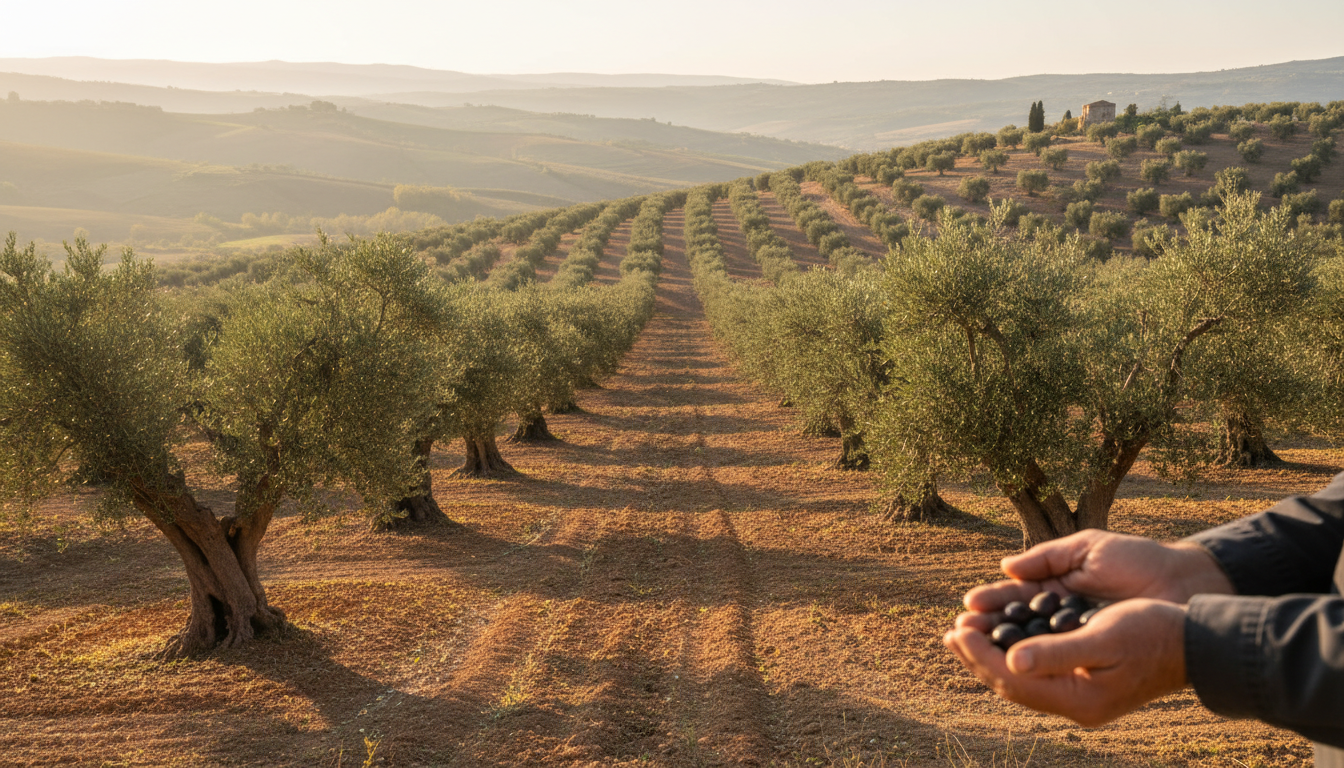
Proper pruning is a vital step in preparing your olive trees for the harvest. Pruning helps to improve air circulation, sunlight penetration, and overall tree health. It's best to prune after the last frost in early spring, but a light trim before harvest can help remove any dead or diseased branches.
Ensure that your trees are well-watered but not overwatered. Olives are drought-tolerant, but a little extra water during the growing season can boost fruit development. Additionally, check for pests and diseases regularly, as these can affect the quality of your olives.
Soil and Nutrient Management
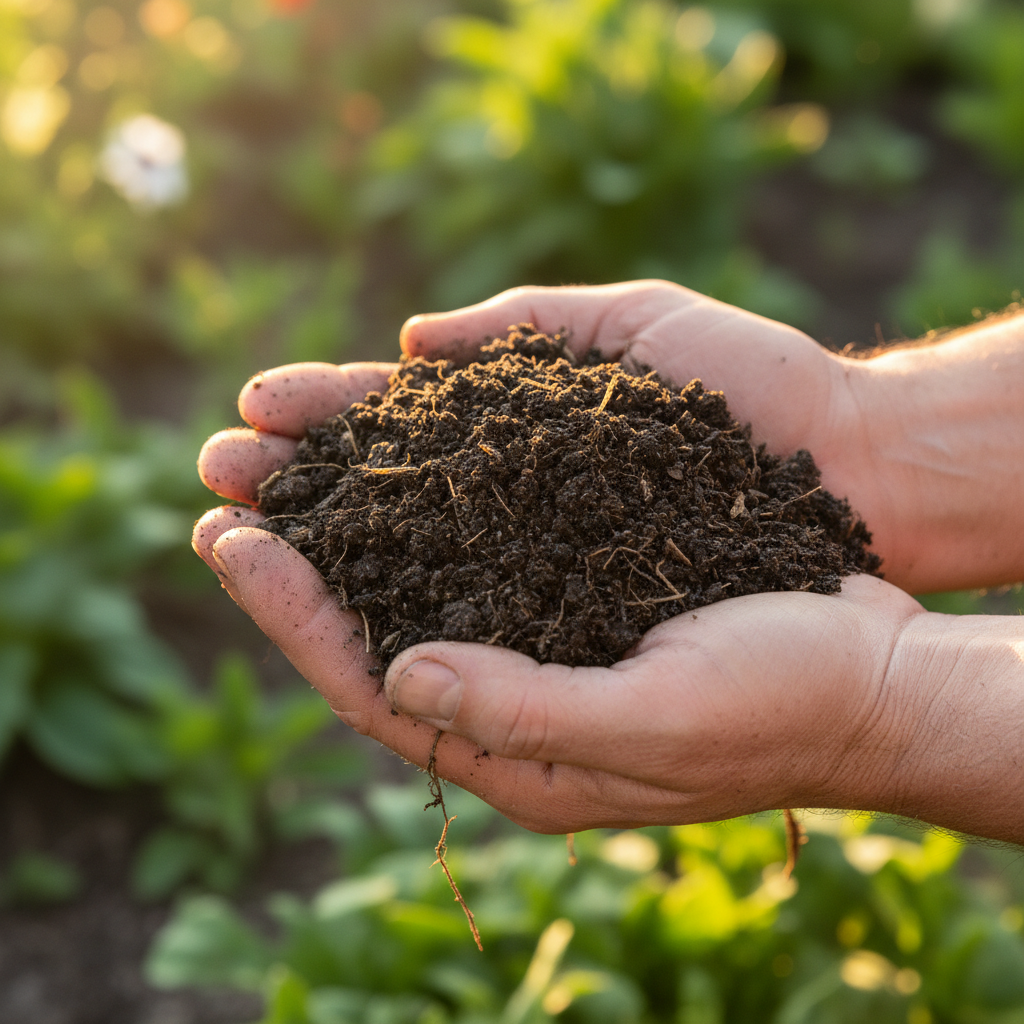
Healthy soil is the foundation of a successful harvest. Conduct a soil test to determine nutrient levels and adjust accordingly. Olives typically require a balanced fertilizer with nitrogen, phosphorus, and potassium. Applying compost or well-rotted manure can also enhance soil fertility.
Techniques for Harvesting Olives
There are several methods for harvesting olives, and the right choice depends on the size of your orchard and available resources. For small-scale operations, hand-picking is often preferred as it reduces bruising and damage to the fruit. This method is labor-intensive but ensures the highest quality olives.
For larger orchards, mechanical shakers or combs can expedite the process. These tools gently shake the trees, causing the olives to fall onto nets placed beneath. While mechanical methods are efficient, they may require additional sorting to remove damaged fruit.
Post-Harvest Processing
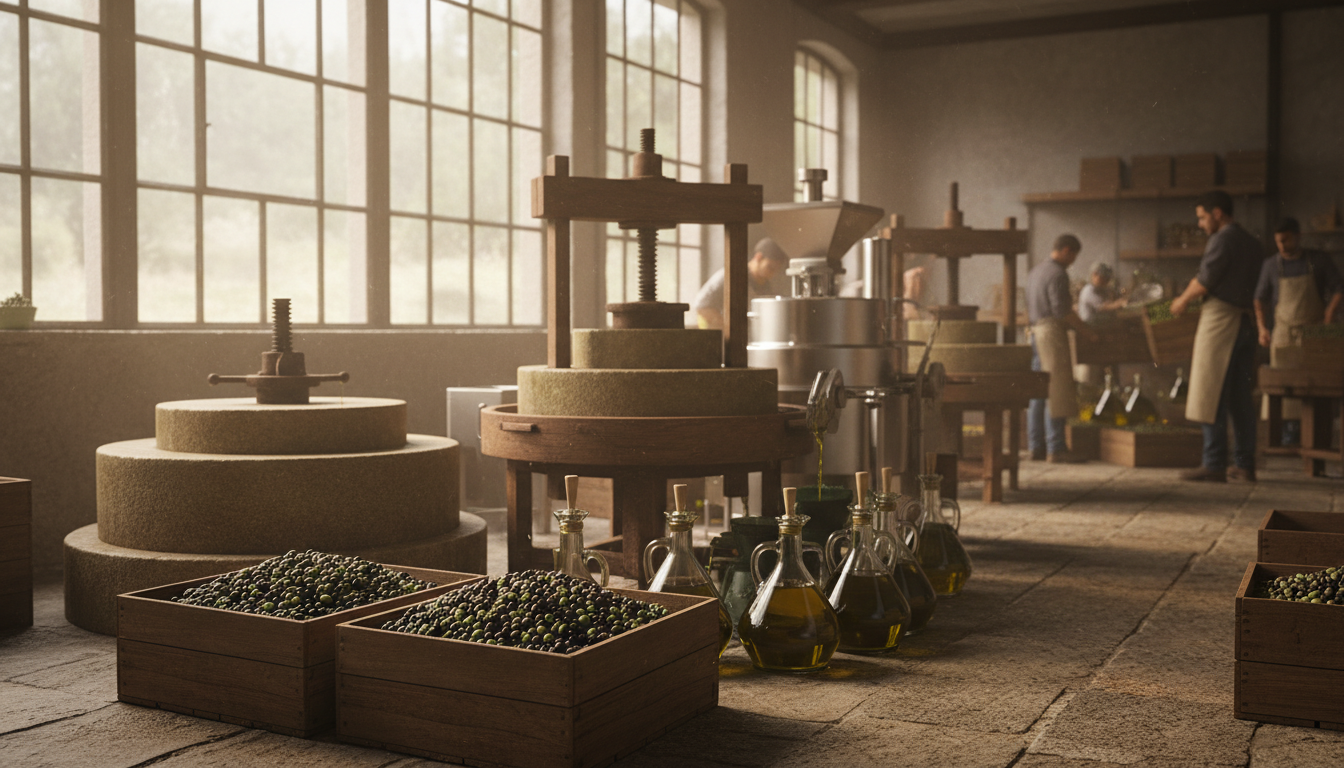
Once harvested, olives must be processed quickly to preserve their quality. If you're producing olive oil, pressing should occur within 24 to 48 hours to prevent spoilage. For table olives, curing and fermentation are necessary to reduce bitterness and enhance flavor.
Storing and Maintaining Quality
Proper storage is crucial to maintaining the quality of your olives or olive oil. Store olives in a cool, dark place, and use airtight containers to keep them fresh. Olive oil should also be stored away from light and heat sources to prevent oxidation and rancidity.
- Use glass or stainless steel containers for olive oil storage.
- Regularly check for signs of spoilage.
Conclusion
Preparing your olive trees for harvest requires careful planning and attention to detail. By following these guidelines, you can ensure a bountiful and high-quality harvest season. Remember, consistent care and observation throughout the year will yield the best results for your olive production.