Olives vs. Other Fruit Trees: Which is Best for Your Land?


Understanding the Basics
Choosing the right type of fruit tree for your land can be a rewarding decision that impacts both your landscape and your pantry. While olives have been cultivated for thousands of years, other fruit trees like apples, pears, and citrus also offer unique benefits. This post will explore the differences between olives and other fruit trees to help you make the best choice for your land.
Climate Considerations
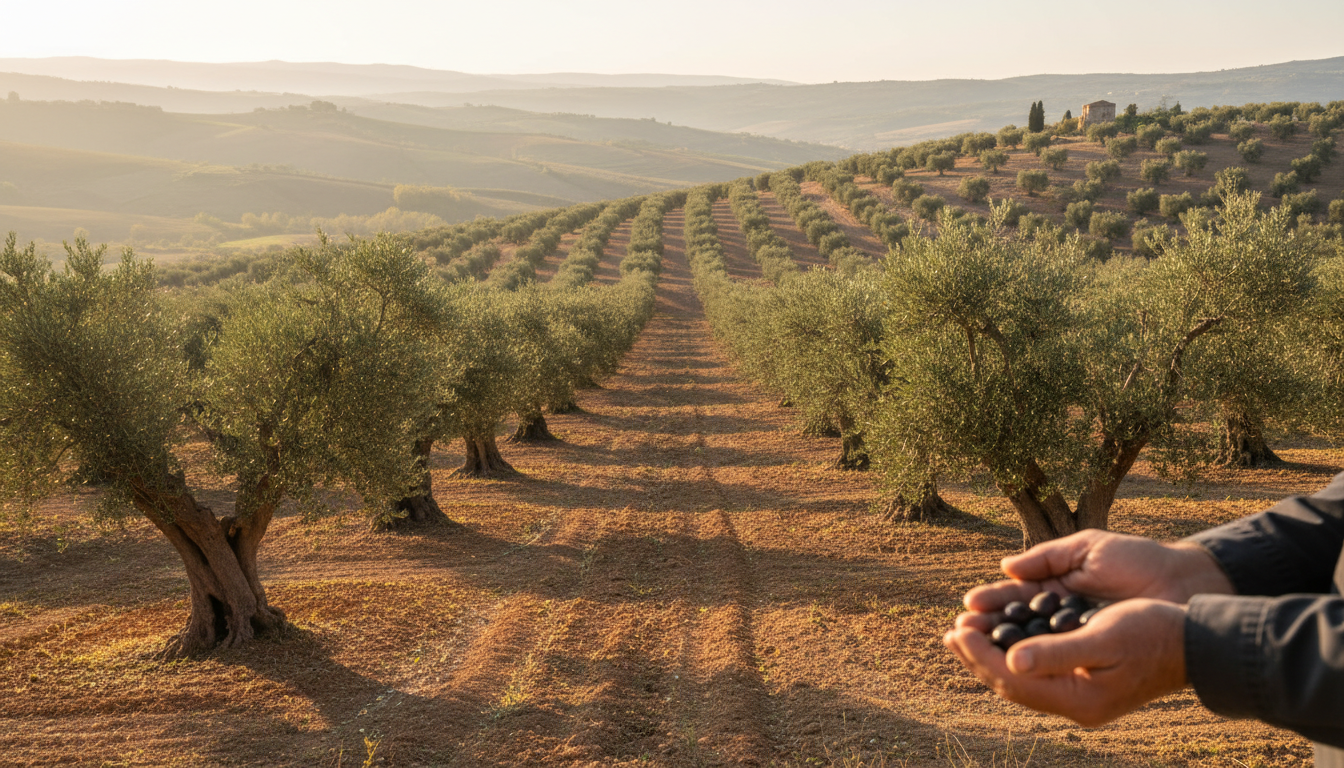
One of the primary factors to consider when choosing between olives and other fruit trees is the climate of your location. Olive trees thrive in Mediterranean climates with hot, dry summers and mild, wet winters. If you live in such a climate, olives may be an excellent choice. On the other hand, apples and pears prefer cooler climates with a distinct winter chill.
Citrus trees, like oranges and lemons, require a warm climate but can tolerate more humidity than olives. Understanding your local climate will be crucial for deciding which type of tree will flourish on your land.
Soil Requirements
Another important factor is the soil type. Olives are quite adaptable and can grow in poor, rocky soils where other fruit trees might struggle. They do require well-drained soil to prevent root rot. Other fruit trees often need richer, more fertile soils to produce abundant fruit.
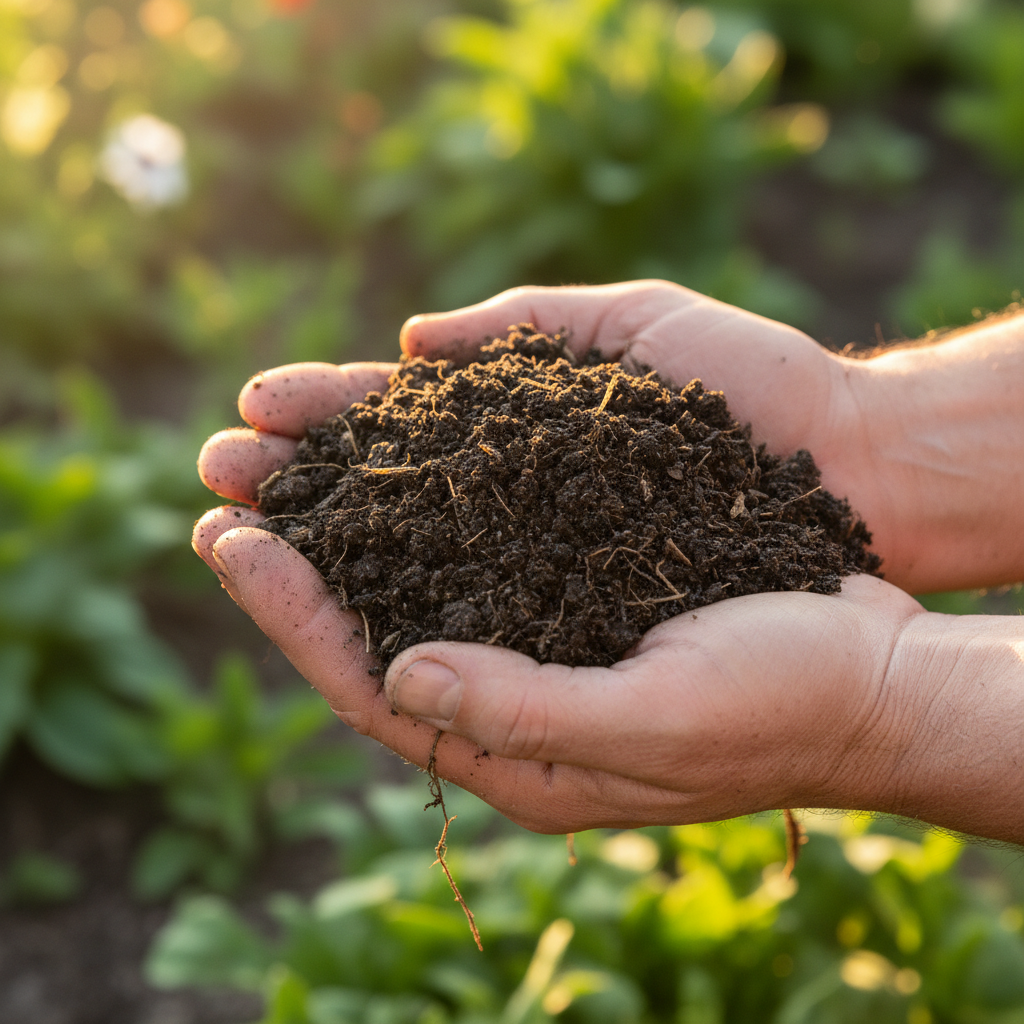
If your land has sandy or loamy soil, olives might be the better option. However, if you have nutrient-rich soil, you might find success with a wider variety of fruit trees.
Maintenance and Care
When it comes to maintenance, olives are generally low-maintenance and drought-resistant once established. They require pruning to maintain shape and encourage fruit production, but they are otherwise hardy. Other fruit trees may require more intensive care, including regular watering, fertilizing, and pest control.
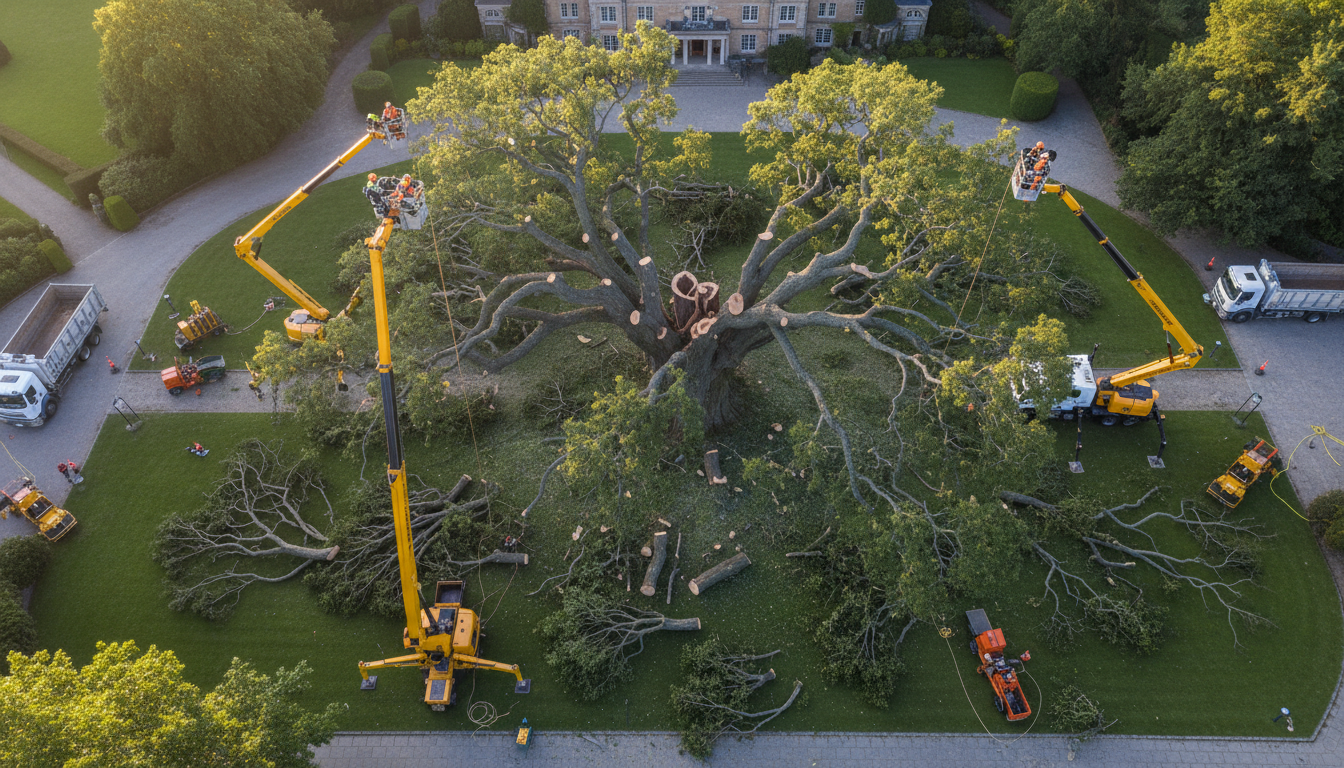
If you prefer a hands-off approach to gardening, olives might be the ideal choice. However, if you enjoy actively managing your garden, other fruit trees could provide a more engaging experience.
Harvesting and Yield
Olives are known for their long lifespan and can produce fruit for centuries, though they may take a few years before they start yielding. Other fruit trees, such as apple or pear trees, often produce fruit sooner but may not have the same longevity.
Consider how much and how quickly you want to harvest. If you're looking for a steady, long-term yield, olives are favorable. If immediate gratification is more appealing, other fruit trees might be a better fit.
Final Thoughts
Ultimately, the decision between planting olives or other fruit trees depends on multiple factors including climate, soil, and personal preference. By understanding these elements, you can make an informed decision that will benefit your landscape and provide delicious rewards.
Take the time to assess your land and lifestyle to determine which fruit trees will bring the most joy and utility to your space.