Olive Orchard Maintenance Tips for Arizona's Climate


Understanding Arizona's Climate
Arizona's climate presents unique challenges for olive orchard maintenance. With its hot summers and mild winters, understanding how to adapt care practices is essential for a thriving olive grove. The state’s low humidity and abundant sunshine can be advantageous, but they also demand specific strategies to ensure healthy growth.
Soil Preparation and Irrigation
Proper soil preparation is crucial. Olive trees prefer well-draining soil, so consider adding sand or gravel to improve drainage. Regular soil testing can help you maintain optimal pH levels and nutrient balance.
Irrigation is key in Arizona's dry climate. Drip irrigation systems are highly recommended as they provide consistent moisture without water wastage. Ensure that the system is set to water deeply but infrequently, encouraging deep root growth.
Pruning Techniques
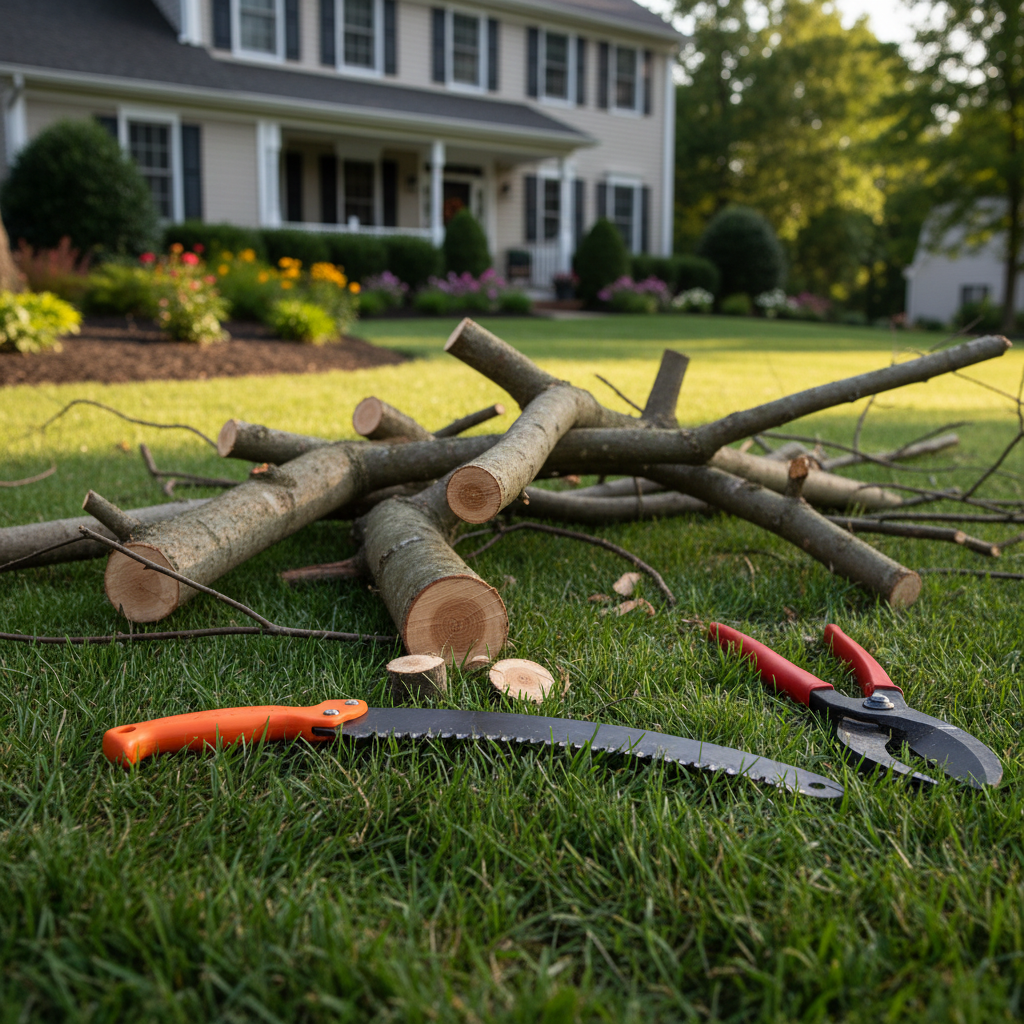
Pruning is vital for maintaining the health and productivity of olive trees. In Arizona, it’s best to prune in late winter or early spring before new growth starts. Focus on removing dead or diseased branches, thinning out crowded areas, and shaping the tree to allow sunlight penetration and air circulation.
Pest and Disease Management
While Arizona's climate can reduce humidity-related diseases, pests such as the olive fruit fly can still pose a threat. Regular monitoring and the use of organic pesticides can help manage these pests effectively. Encouraging beneficial insects like ladybugs can also provide natural pest control.
Fertilization Strategies
Fertilizing olive trees in Arizona requires a balanced approach. Use a slow-release fertilizer in early spring to support new growth. Pay attention to nitrogen levels, but avoid over-fertilizing, as it can lead to excessive foliage and reduced fruit production.

Harvesting Tips
Harvest time in Arizona typically occurs between September and November. Monitor the color change in olives, as they should transition from green to a darker hue. Consider using mechanical harvesters for larger orchards, while handpicking is ideal for smaller operations.
Proper timing is crucial for maximizing oil quality. Harvesting too early or too late can affect the flavor and yield of the olive oil, so careful planning and observation are essential.
Post-Harvest Care
After harvesting, it's important to prepare the trees for the next growing season. Remove fallen leaves and debris from the ground to prevent disease. Mulching can help retain soil moisture and protect roots from temperature fluctuations.
With these tailored maintenance tips, your olive orchard in Arizona can flourish, producing high-quality olives and oil. By understanding and adapting to the local climate, you can ensure a successful and sustainable operation.