Olive Oil vs. Other Cooking Oils: A Comprehensive Comparison


Introduction to Cooking Oils
Cooking oils are a staple in kitchens around the world, and the variety available can be overwhelming. Among the most popular choices are olive oil, vegetable oil, canola oil, and coconut oil. Each has its unique properties, flavors, and nutritional benefits. In this post, we'll explore how olive oil compares to other cooking oils and why it might be the best choice for your culinary needs.
Nutritional Profile
Olive Oil
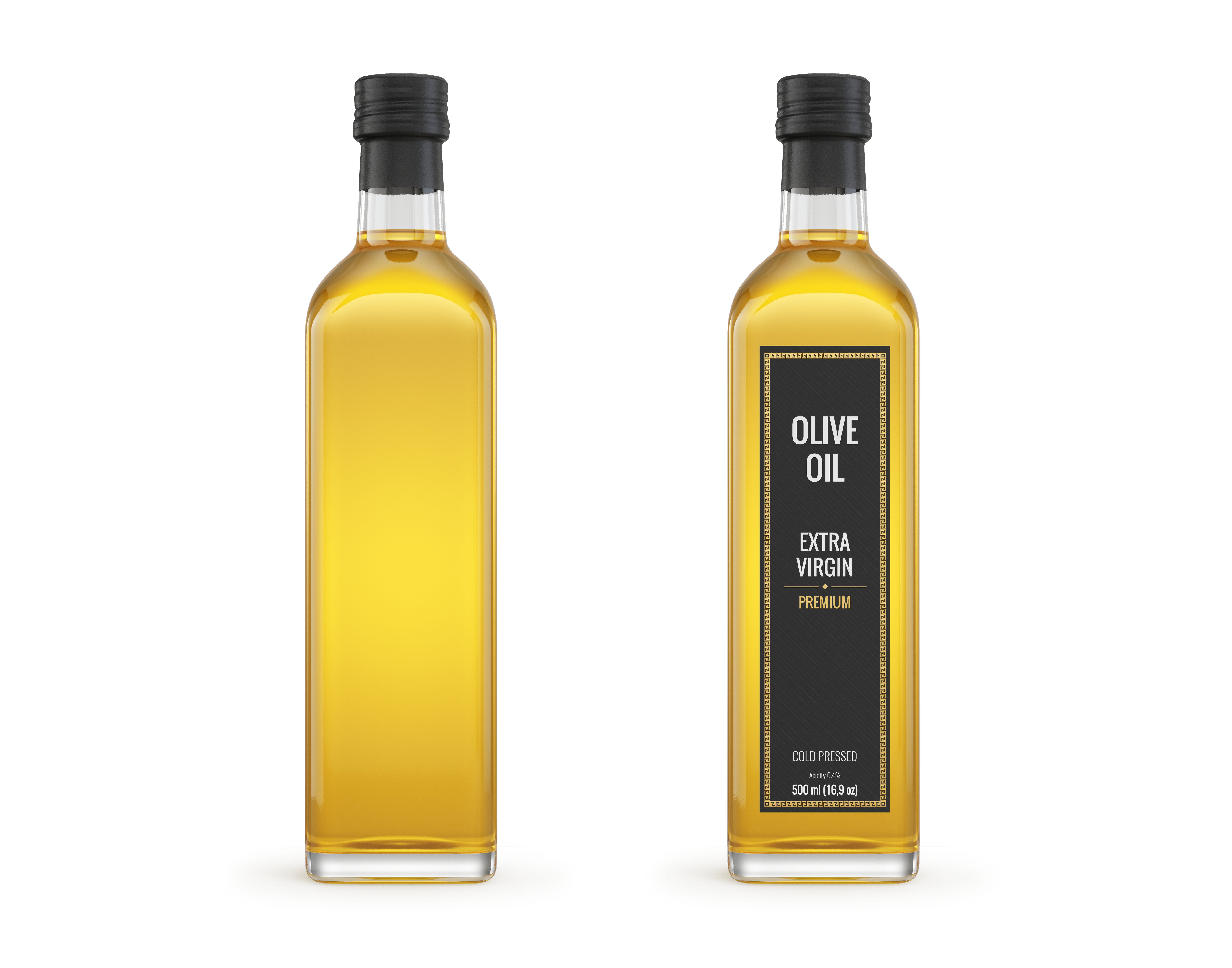
Olive oil is rich in monounsaturated fats, which are known to be heart-healthy. It also contains antioxidants and anti-inflammatory compounds, making it a great choice for overall health. Studies have shown that regular consumption of olive oil can reduce the risk of heart disease and improve cholesterol levels.
Other Cooking Oils
Vegetable and canola oils are also low in saturated fats, but they lack the antioxidants found in olive oil. Coconut oil, on the other hand, is high in saturated fats, which can raise cholesterol levels if consumed in large amounts. Each oil offers different health benefits, but olive oil stands out for its comprehensive nutritional profile.
Flavor and Culinary Uses
Olive Oil
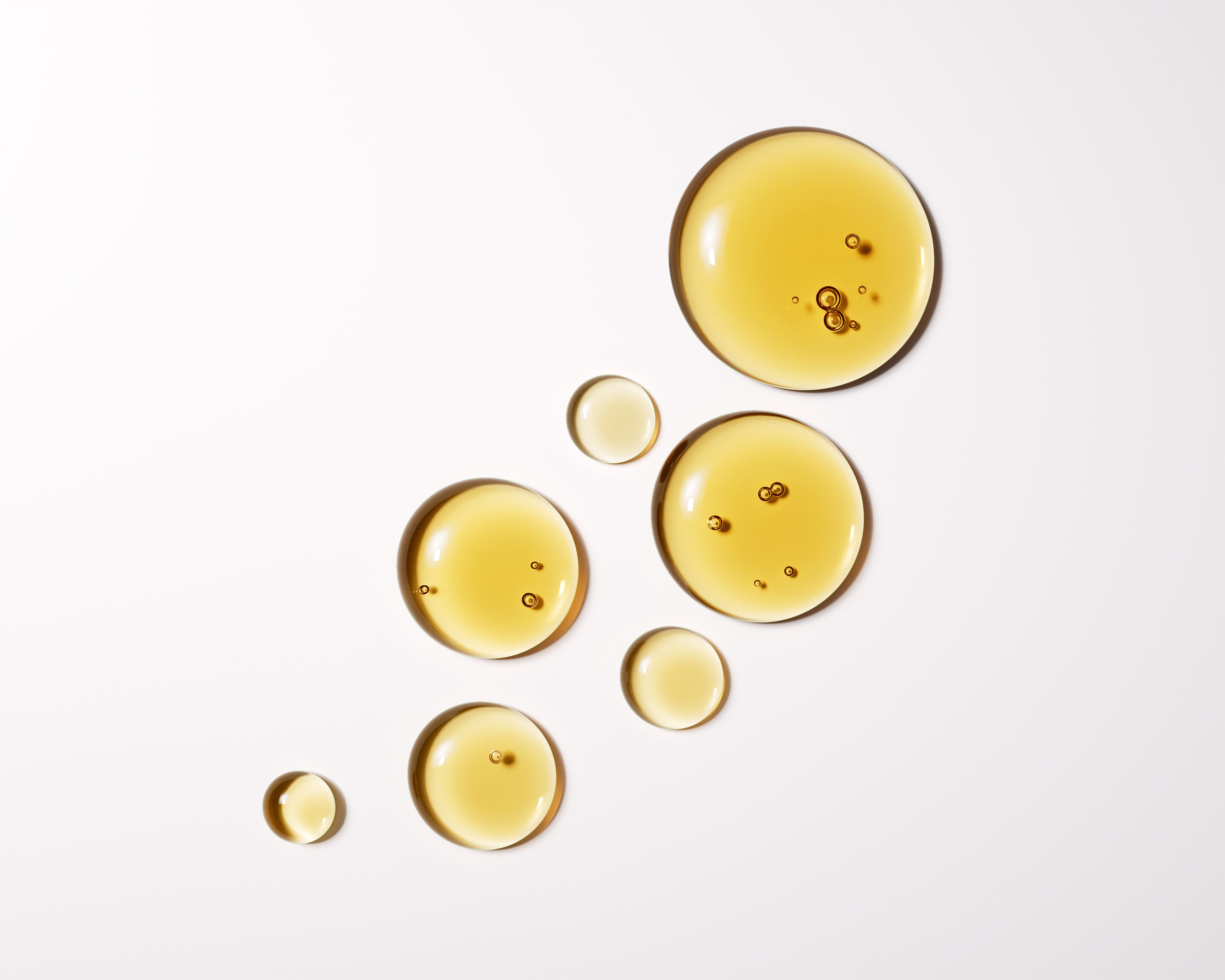
Olive oil is known for its distinctive, fruity flavor that can enhance many dishes. It's perfect for salads, dressings, and sautéing vegetables. Its flavor profile can range from mild to robust, depending on the type of olives used.
Other Cooking Oils
Vegetable and canola oils are more neutral in flavor, making them versatile for frying and baking. Coconut oil adds a subtle tropical flavor, which can be desirable in certain recipes. Choosing the right oil often depends on the desired taste and cooking method.

Smoke Point Considerations
The smoke point of an oil is the temperature at which it begins to break down and produce smoke. This is an important consideration when cooking at high temperatures.
Olive Oil
Extra virgin olive oil has a lower smoke point compared to refined olive oil, making it better suited for low to medium-heat cooking. However, refined olive oil can be used for higher temperature cooking, such as frying.
Other Cooking Oils
Vegetable and canola oils typically have higher smoke points, making them suitable for high-heat cooking. Coconut oil also has a relatively high smoke point, although its flavor might not be suitable for all dishes.
Environmental Impact
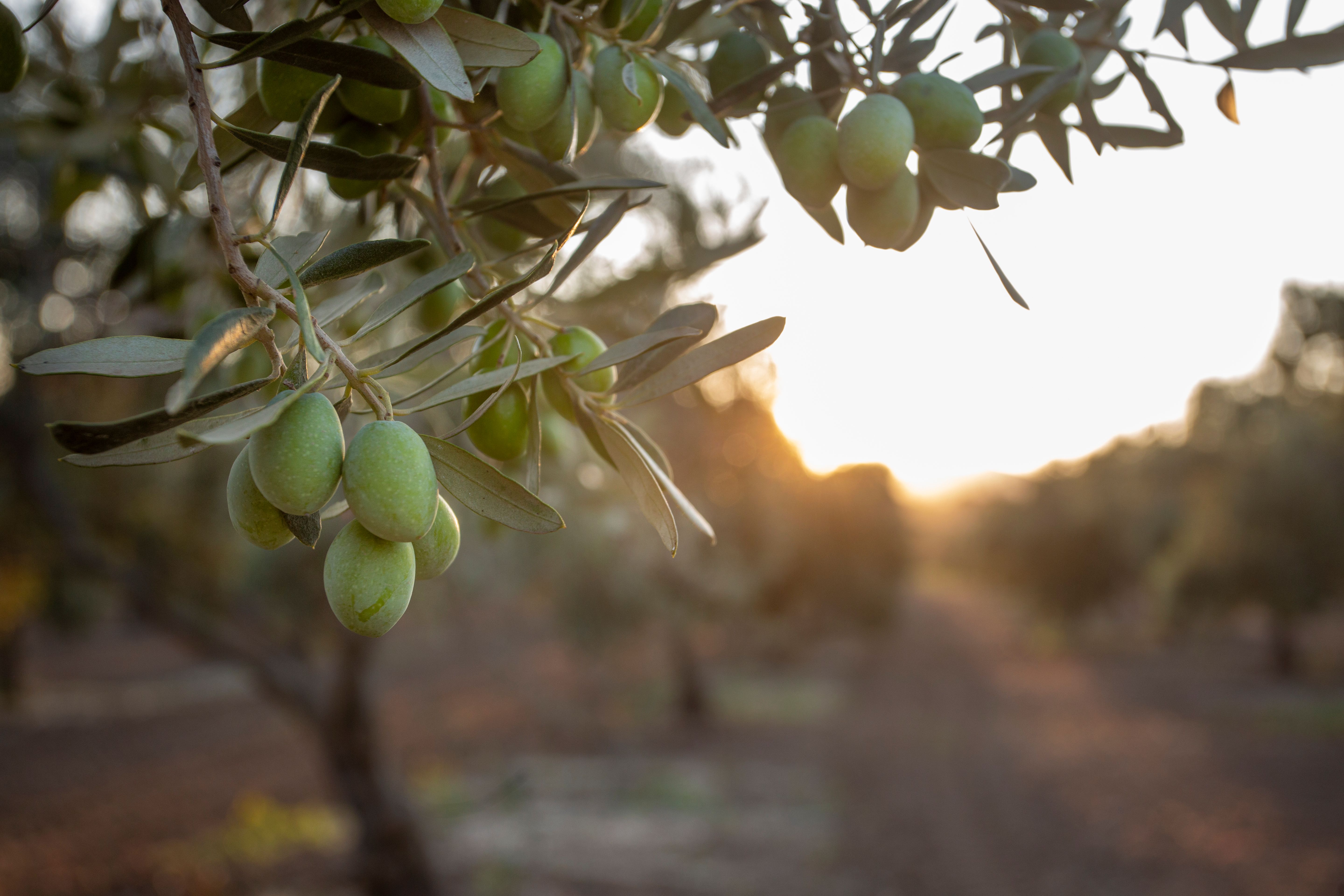
When choosing a cooking oil, considering the environmental impact is also important. Olive oil production is generally sustainable, especially when sourced from organic farms that practice environmentally friendly farming techniques.
Other Cooking Oils
Vegetable oils like palm oil have been associated with deforestation and habitat destruction. Choosing oils that are responsibly sourced can help mitigate these impacts.
Conclusion
In conclusion, olive oil offers numerous health benefits, a unique flavor profile, and a relatively low environmental impact. While other oils have their place in the kitchen, olive oil's versatility and nutritional advantages make it a standout choice for many home cooks. Whether you're drizzling it over a salad or using it for sautéing, olive oil can elevate your culinary creations.