Myths About Olive Farming: What You Need to Know


Olive farming is a time-honored tradition with a rich history, but it's not without its misconceptions. These myths can often deter potential farmers or mislead consumers about the process and benefits of olive cultivation. Let's explore some of the most common myths and uncover the truth behind them.
Myth 1: Olive Trees Need Constant Watering
One of the most pervasive myths about olive farming is that olive trees require constant watering to thrive. In reality, olive trees are incredibly drought-resistant and can survive with minimal water. They are well-suited to arid climates and can thrive in conditions that would challenge many other crops.
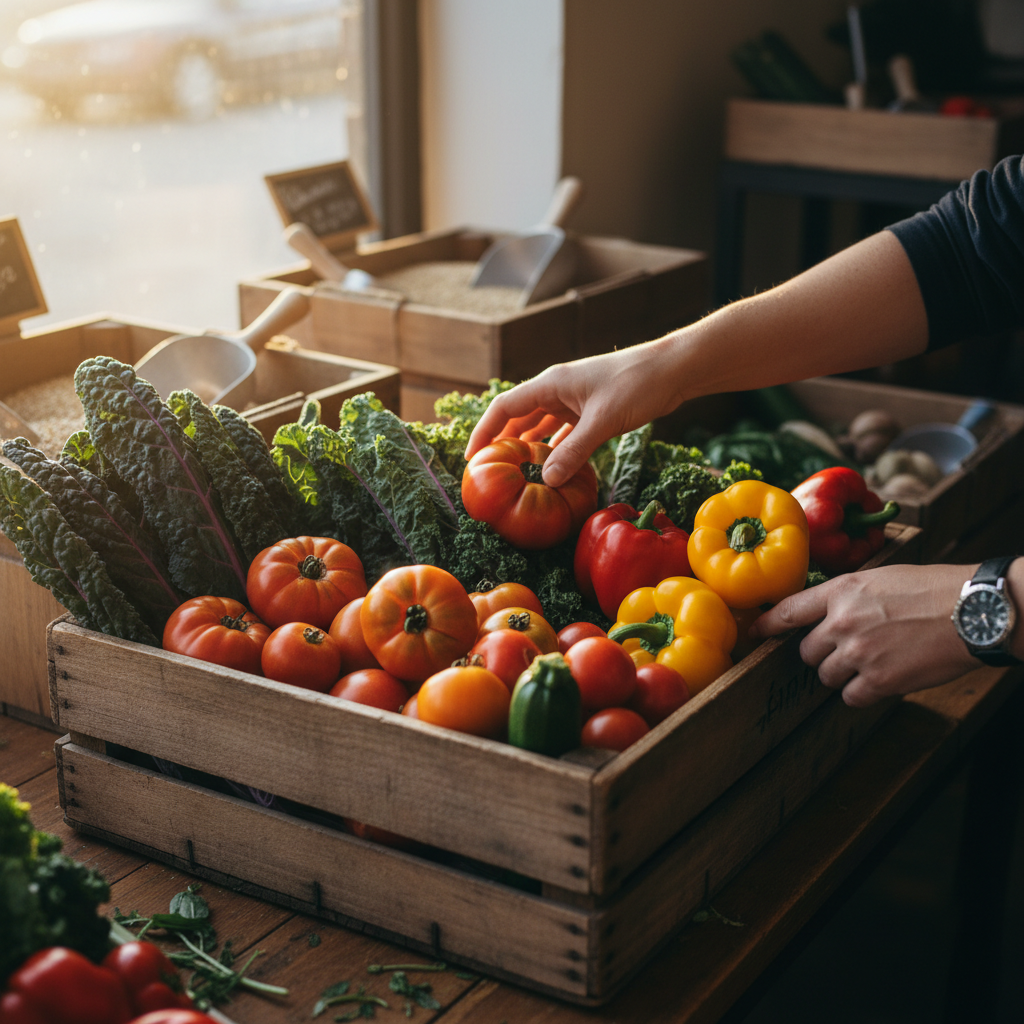
Overwatering can actually harm olive trees by making them more susceptible to diseases and reducing the quality of the olives. It's essential to understand the specific water needs of your olive trees, which can vary depending on the region and climate.
Myth 2: Olives Can Only Be Grown in the Mediterranean
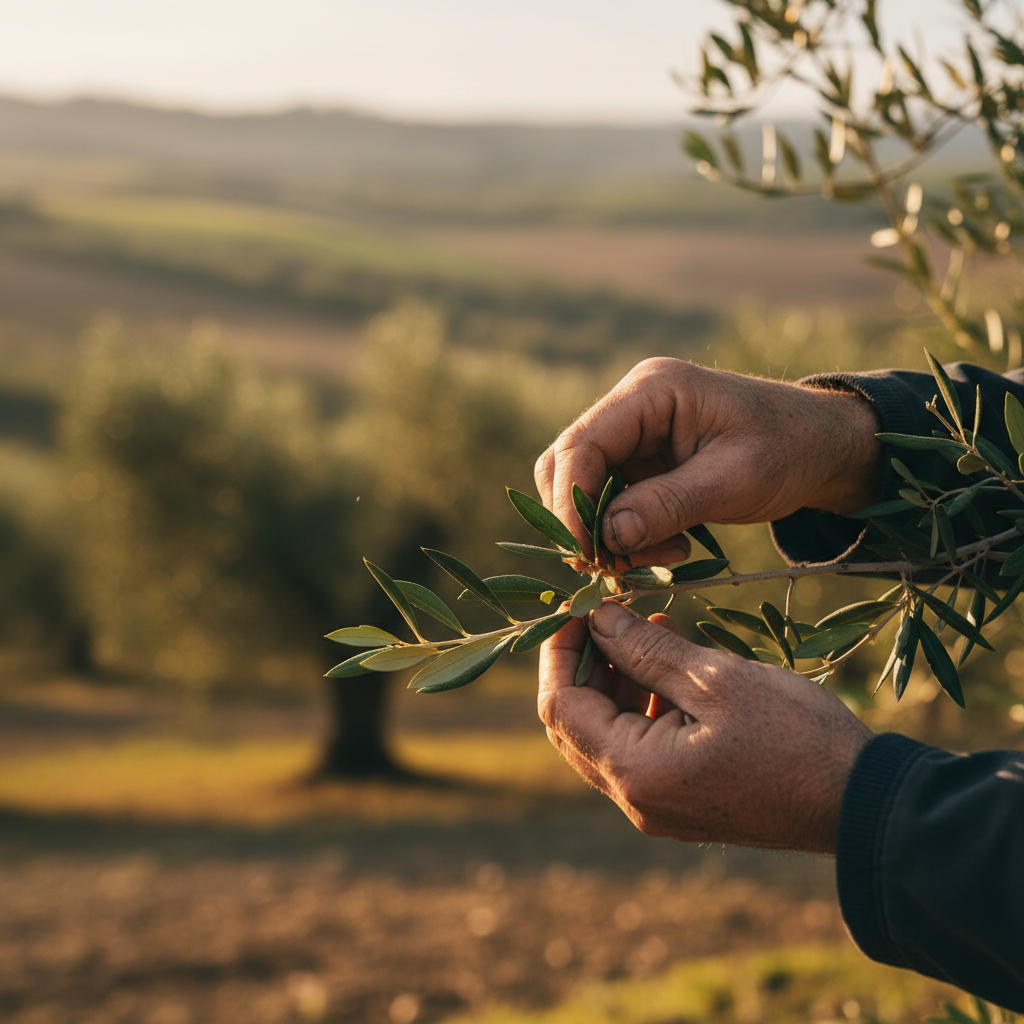
While it's true that the Mediterranean is famous for its olive production, olives can be grown in many parts of the world. Regions with similar climates, such as parts of California, Australia, and South Africa, have successfully cultivated olives.
The key is to have the right combination of climate, soil, and care. With these factors in place, you can enjoy a successful olive harvest beyond the Mediterranean basin.
Myth 3: Olive Oil Is All the Same
Not all olive oils are created equal. There are significant differences in quality, taste, and health benefits between different types of olive oil. For instance, extra virgin olive oil is considered the highest quality due to its low acidity and rich flavor profile. It's also packed with health benefits, including antioxidants and healthy fats.
On the other hand, refined olive oils may lack the depth of flavor and nutritional benefits. It's important to understand these distinctions when choosing olive oil for cooking or consumption.
Myth 4: Olive Farming Is Not Sustainable
Some people believe that olive farming is not sustainable due to its environmental impact. However, when practiced responsibly, olive farming can be a highly sustainable agricultural practice. Olive trees help prevent soil erosion and can be cultivated using environmentally friendly methods.
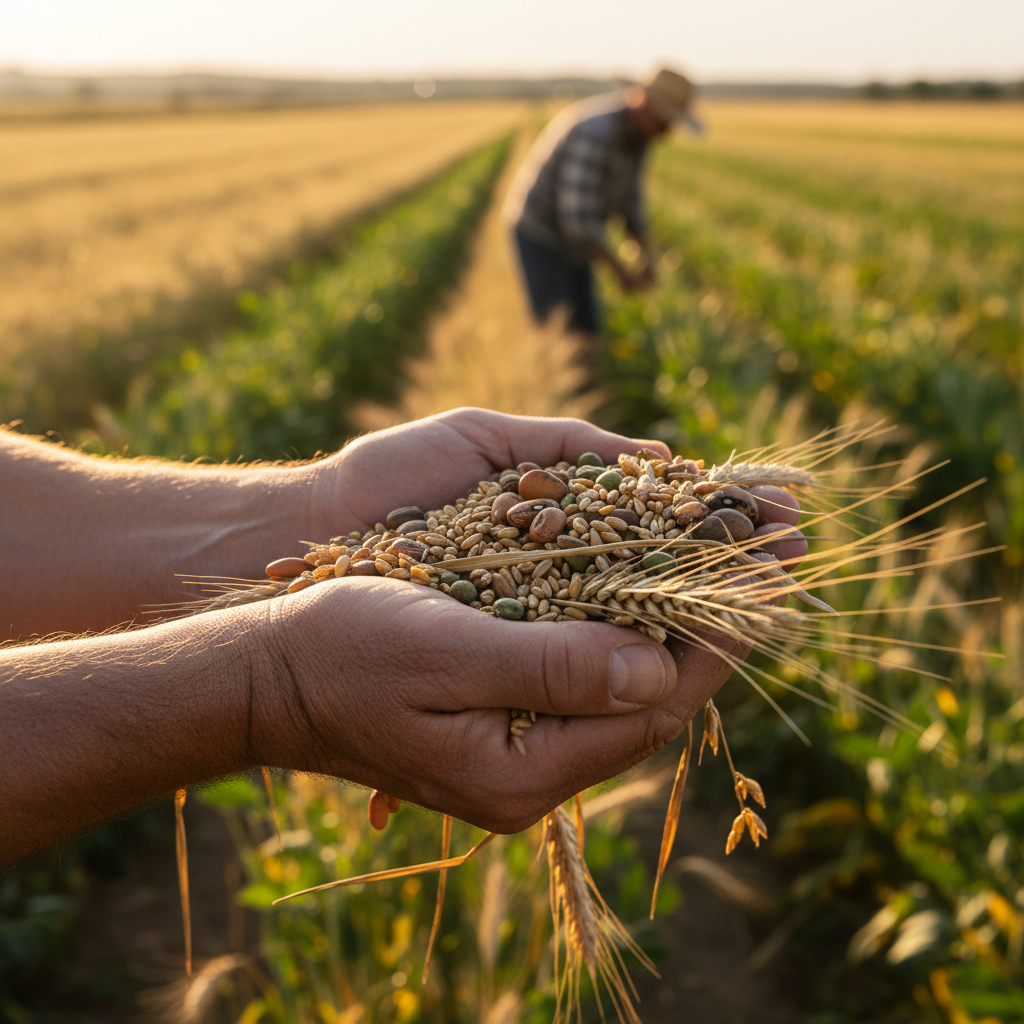
Additionally, many olive farms are turning to organic practices, reducing their reliance on chemical fertilizers and pesticides. This shift not only benefits the environment but also improves the quality of the olives produced.
Conclusion
Understanding the realities of olive farming can help debunk these myths and promote a more accurate appreciation of this ancient practice. With proper techniques and knowledge, olive farming can be a rewarding and sustainable endeavor, providing high-quality olives and olive oil for generations to come.