Myth-Busting: Debunking Common Misconceptions About Olive Farming


Olive farming is a practice steeped in tradition, often surrounded by myths and misconceptions. As the demand for olive oil and related products continues to rise, it's essential to separate fact from fiction. Let's dive into some common myths about olive farming and uncover the truth.
Myth 1: Olive Trees Need Constant Watering
One of the biggest misconceptions is that olive trees require frequent watering. In reality, olive trees are quite resilient and can thrive in arid conditions. They are well-adapted to drought and can survive with minimal water once established. Overwatering can actually harm the trees, leading to root rot and other issues.
It's important to water young trees to help them establish, but mature olive trees should be watered sparingly. This characteristic makes olive farming a viable option in regions with limited water resources.
Myth 2: Olive Farming is Harmful to the Environment
Another common belief is that olive farming negatively impacts the environment. While any agricultural practice can have environmental effects, olive farming is often more sustainable than many other types of agriculture. Olive trees contribute to soil conservation, reduce desertification, and can be grown on marginal lands not suitable for other crops.
Furthermore, organic olive farming practices are on the rise, reducing the use of harmful pesticides and fertilizers. Sustainable methods, such as integrated pest management and natural fertilization, promote biodiversity and environmental health.
Myth 3: All Olive Oils Are the Same
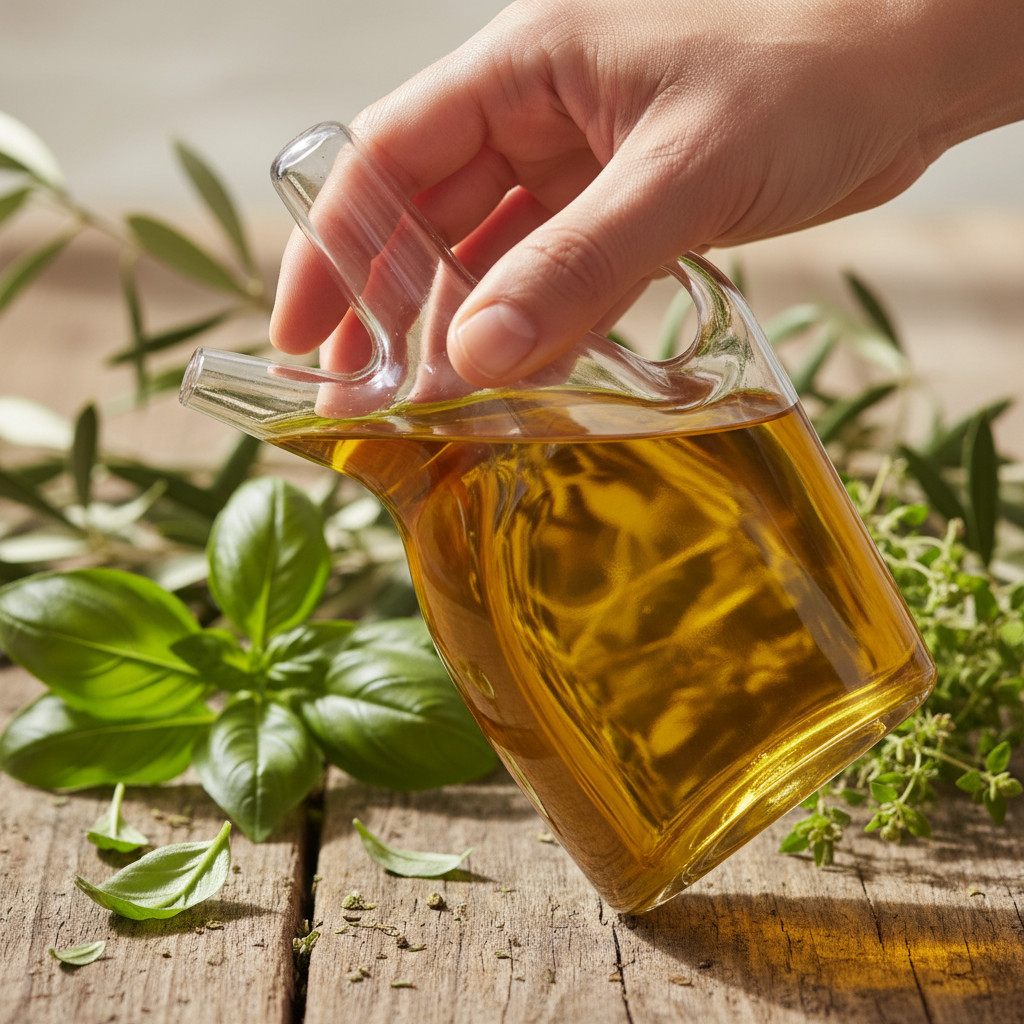
Consumers often assume that all olive oils are created equal, but nothing could be further from the truth. Olive oil quality varies significantly based on factors like olive variety, growing conditions, and processing methods. Extra virgin olive oil is the highest quality, made from pure, cold-pressed olives without the use of chemicals or heat.
On the other hand, lower-grade oils may be extracted using heat or solvents, affecting flavor and nutritional value. Understanding these differences is crucial for consumers seeking the best taste and health benefits.
Myth 4: Olive Trees Have a Short Lifespan
Many people mistakenly believe that olive trees have a short lifespan. In fact, olive trees are known for their longevity, with some trees living for hundreds, even thousands, of years. This remarkable durability makes them a symbol of peace and endurance in various cultures.
With proper care, including pruning and disease management, olive trees can continue to produce fruit for centuries, offering a long-term investment for farmers.
Myth 5: Olive Farming Requires Large Amounts of Land
It's a common assumption that olive farming necessitates vast expanses of land. However, olive trees can be planted in smaller orchards or even as part of mixed farming systems. Their adaptability to various soil types and climates allows for flexibility in farm planning.
Innovative farming techniques, such as high-density planting and vertical orchards, are making it possible to grow olives efficiently on smaller plots, maximizing yield without the need for extensive land.
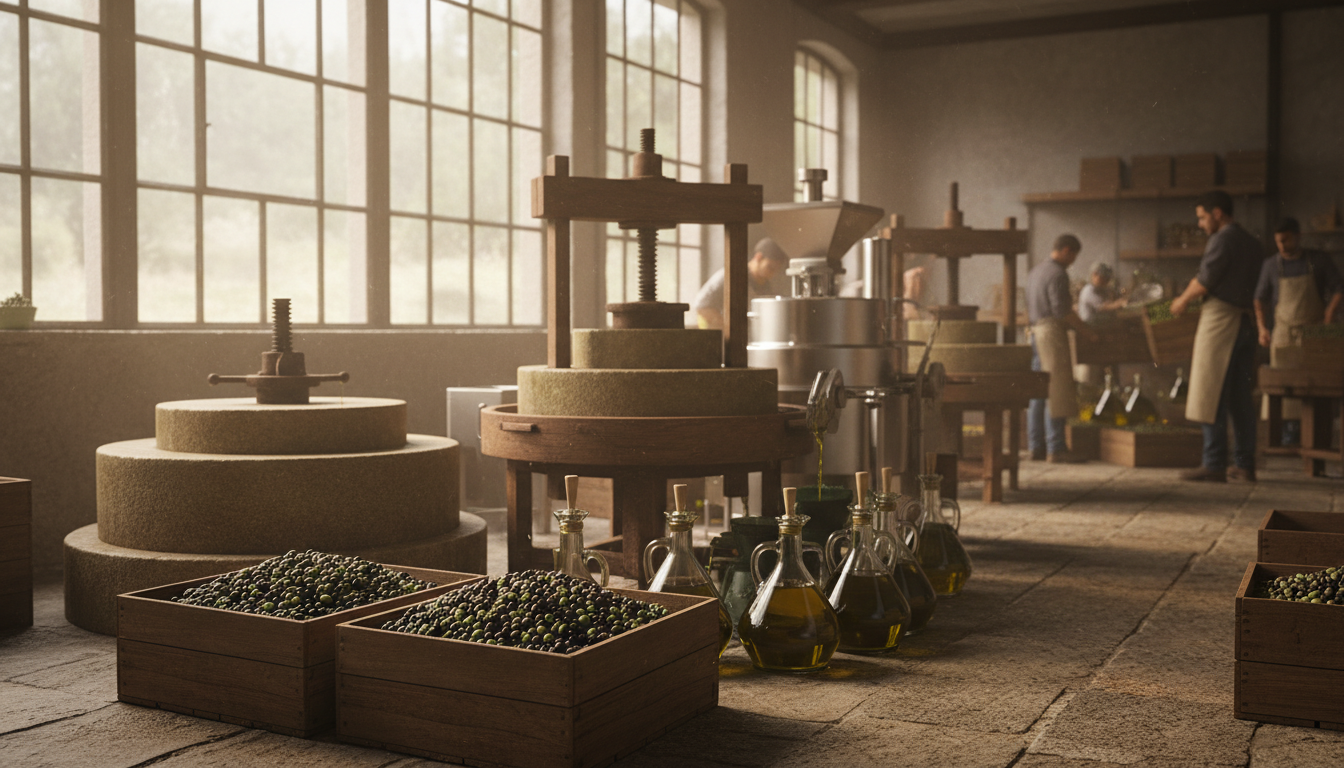
By debunking these myths, we can better appreciate the value and potential of olive farming. Whether you're a consumer, farmer, or enthusiast, understanding the realities of olive farming can lead to more informed choices and a greater appreciation for this ancient practice. With a focus on sustainability and quality, olive farming continues to thrive, offering delicious and healthy products to the world.