DIY Olive Tree Care: Tips from San Simon Experts


Understanding Olive Tree Basics
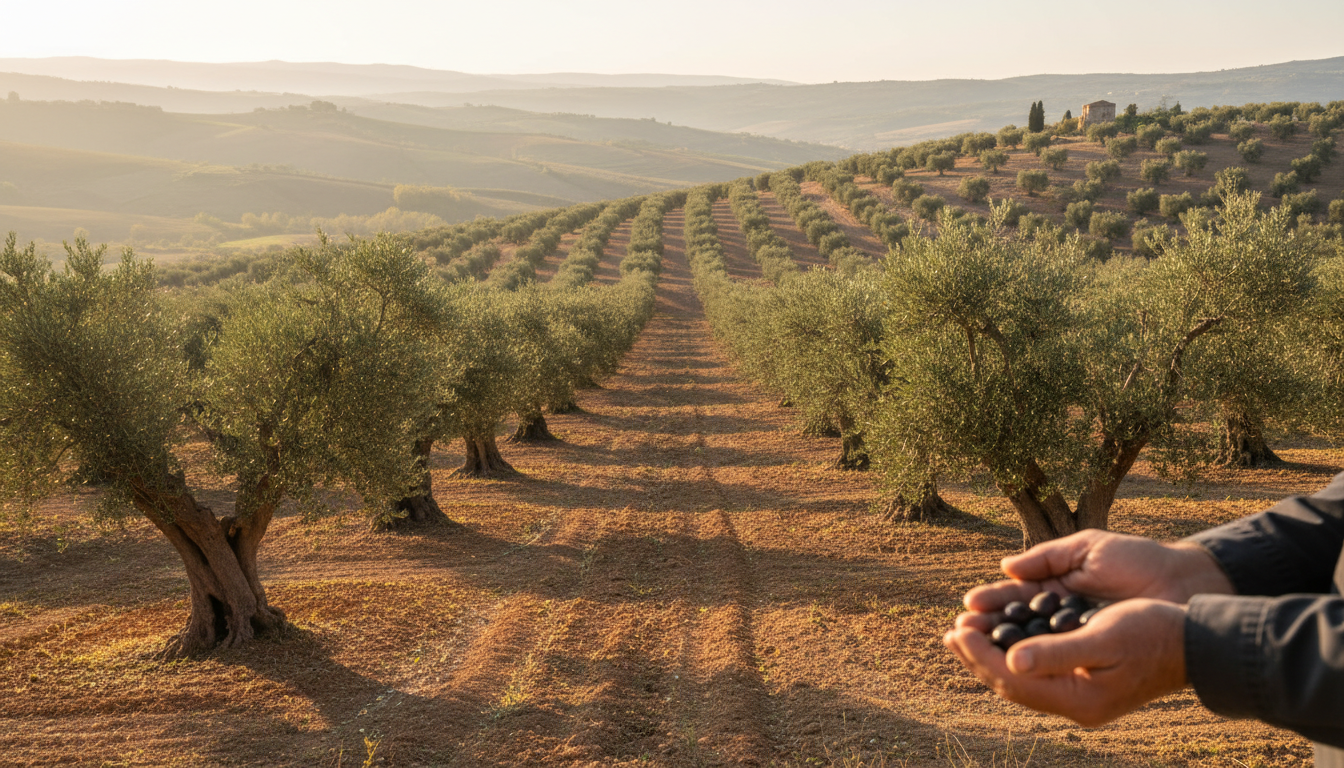
Olive trees are not only beautiful but also incredibly resilient, making them a popular choice for DIY gardeners. Native to the Mediterranean, these trees thrive in sunny, warm climates. Understanding their natural habitat is key to providing the right care. They prefer well-drained soil and plenty of sunlight.
Once established, olive trees are drought-tolerant, but young trees require regular watering. In San Simon, where the climate is favorable, gardeners can successfully cultivate these trees with minimal effort. However, attention to certain details can significantly enhance their growth and productivity.
Choosing the Right Location
Location is crucial for olive tree success. Plant your tree in a spot that receives at least six hours of direct sunlight daily. Avoid areas prone to flooding or poor drainage, as olive trees despise "wet feet." Elevated spots with good air circulation are ideal to prevent fungal diseases.
When planting multiple olive trees, space them about 20 feet apart to allow for full growth and proper air flow. This spacing helps prevent the spread of pests and diseases and ensures each tree gets adequate resources.
Watering and Fertilizing
Young olive trees need regular watering until they are well established. Water deeply but infrequently, allowing the soil to dry out between waterings. As they mature, olive trees become more drought-resistant. In San Simon's climate, they may only need watering during prolonged dry spells.
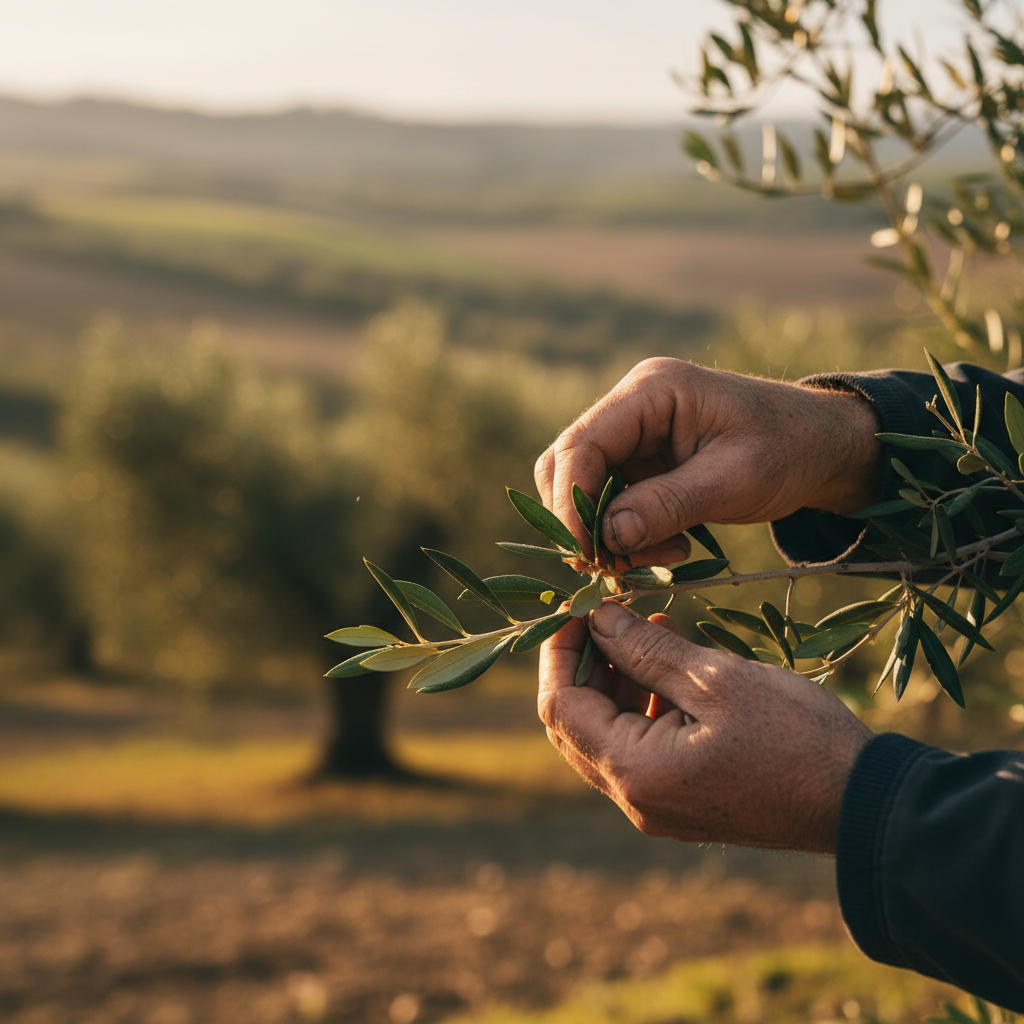
Fertilization is another critical aspect. Use a balanced fertilizer in early spring to promote healthy growth. Avoid over-fertilizing, as this can lead to excessive foliage at the expense of fruit production. A soil test can help determine if additional nutrients are needed.
Pruning for Health and Productivity
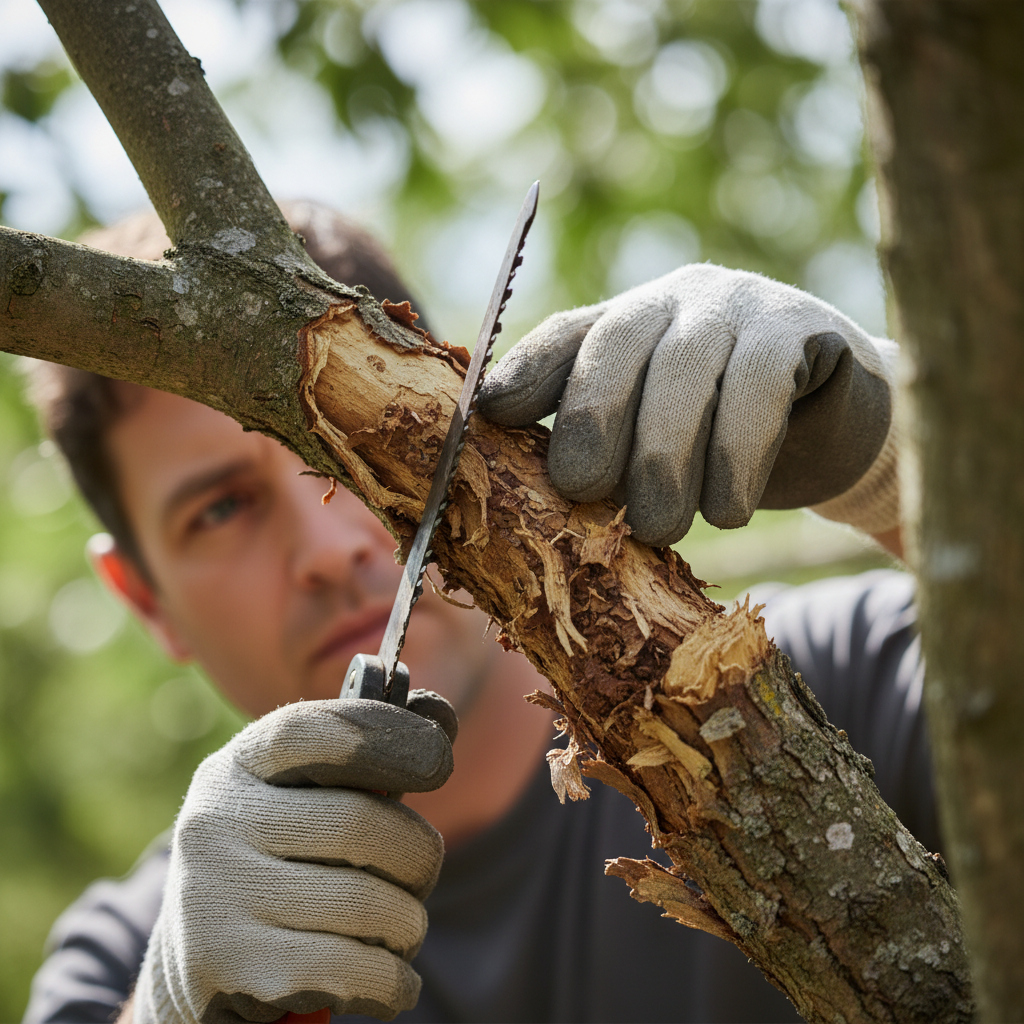
Regular pruning is essential to maintain the shape and health of your olive tree. Prune in late winter or early spring before new growth begins. Focus on removing dead or diseased branches and thinning out the interior to improve air circulation.
Pruning not only encourages a strong structure but also enhances fruit production by allowing more sunlight to penetrate the canopy. Remember, a well-pruned tree is a productive tree.
Dealing with Pests and Diseases
While olive trees are hardy, they can still fall victim to pests such as olive fruit flies and scale insects. Regularly inspect your trees and remove any affected areas. Natural remedies, like neem oil, can be effective in controlling these pests.
Fungal diseases, like verticillium wilt, can also pose a problem. Ensure proper spacing and good drainage to minimize these risks. If disease strikes, remove and destroy affected branches to prevent further spread.
Harvesting and Enjoying Your Olives
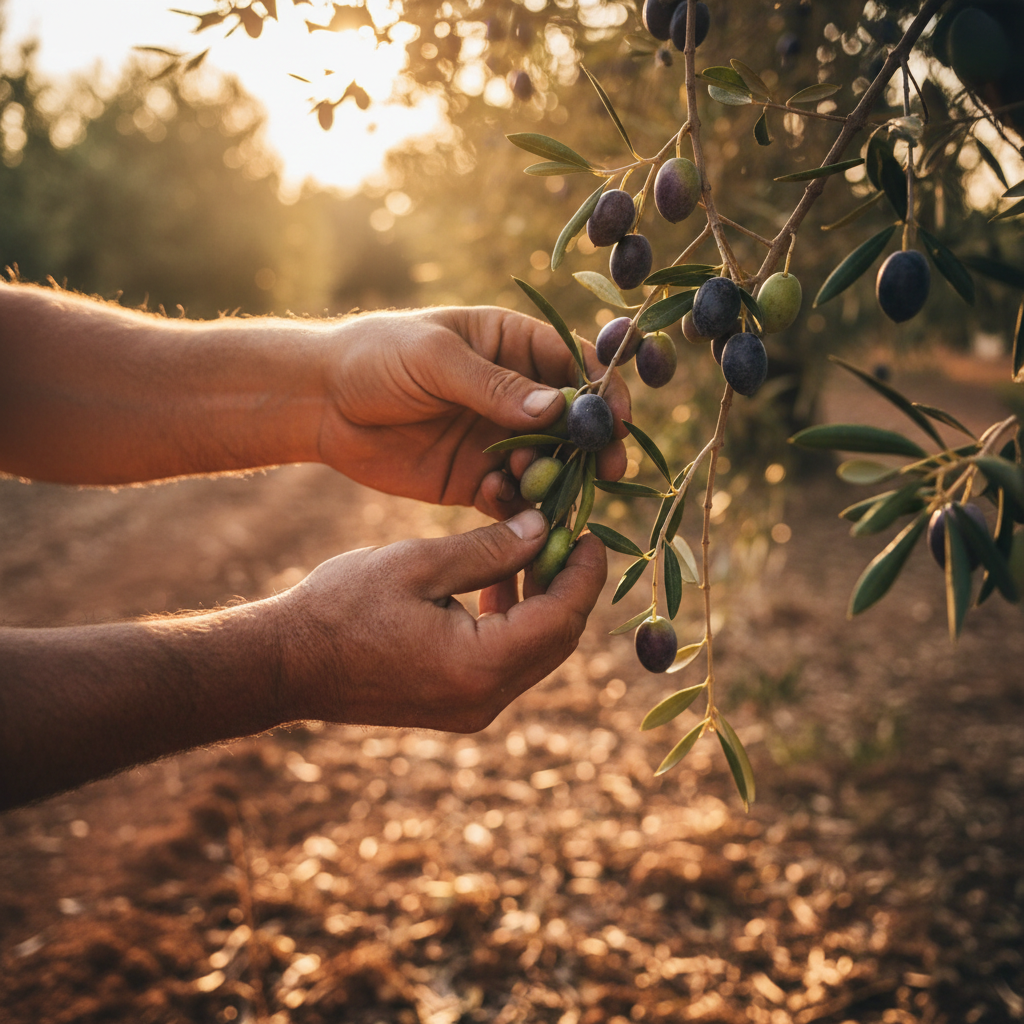
With proper care, your olive tree will eventually bear fruit. The harvest time in San Simon typically falls between late summer and early fall. Pick olives when they reach the desired size and color, usually green or black.
Once harvested, olives need to be processed before consumption. Curing olives can be a rewarding DIY project, allowing you to enjoy the fruits of your labor in a delicious new way.
By following these expert tips from San Simon, you can cultivate a thriving olive tree that enhances your landscape and provides a bountiful harvest.