Debunking Common Myths About Olive Farming


Introduction to Olive Farming Myths
Olive farming is a practice steeped in tradition and history, yet it remains shrouded in misconceptions. These myths can deter potential growers and misinform consumers. By debunking these myths, we can better appreciate the true art and science behind olive cultivation.
Myth 1: Olive Trees Require Constant Watering
One prevalent myth is that olive trees need frequent watering to thrive. In reality, olive trees are incredibly drought-resistant and can survive in arid conditions. Overwatering can actually harm them by suffocating the roots and promoting fungal diseases. Instead, they thrive best with minimal water, particularly in well-drained soil.
For optimal growth, it's crucial to water olive trees deeply but infrequently, allowing the soil to dry out between watering sessions. This practice encourages deeper root systems, making the trees more resilient during dry spells.
Myth 2: Olive Farming is Only Suitable for Mediterranean Climates
While it's true that olive trees originate from the Mediterranean region, they can flourish in various climates around the world. Many successful olive farms exist in regions such as California, Australia, and South Africa.
These areas offer suitable conditions, such as long, hot summers and mild winters, which are conducive to olive cultivation. With the right care and selection of appropriate olive varieties, it's possible to expand olive farming to new territories.
Myth 3: All Olive Oil is the Same
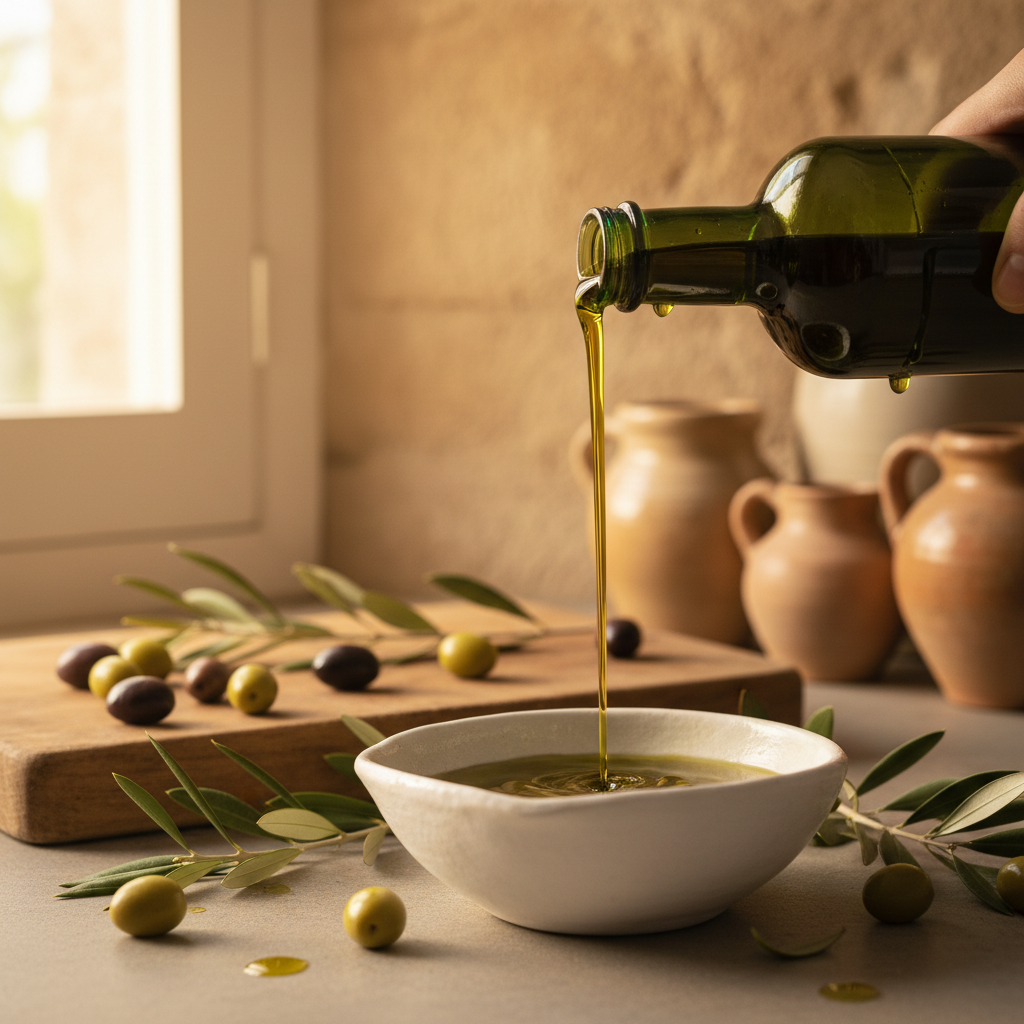
Another common misconception is that all olive oil is identical. In truth, olive oil varies significantly in terms of flavor, quality, and nutritional content, depending on factors like the olive variety, harvesting methods, and processing techniques.
Extra virgin olive oil, for instance, is the highest quality, with a rich flavor profile and numerous health benefits. Understanding these differences can help consumers make informed choices and appreciate the diversity of olive oils available.
Myth 4: Olive Trees Need Chemical Fertilizers
Many believe that chemical fertilizers are necessary for olive tree growth. However, olive trees can thrive with minimal intervention. Organic farming practices, such as using natural compost and encouraging beneficial insects, can maintain soil health and promote robust tree growth.
Emphasizing sustainable and organic practices not only benefits the environment but also results in healthier and more flavorful olives.
Conclusion: Embracing the Truth About Olive Farming
By debunking these myths, we can foster a deeper understanding and appreciation for olive farming. This ancient practice offers a wealth of benefits, from producing high-quality olive oil to supporting sustainable agriculture. Whether you're a consumer or a potential farmer, acknowledging the realities of olive cultivation is key to enjoying its full potential.