Comprehensive Guide to Olive Farming in San Simon, AZ


Introduction to Olive Farming in San Simon, AZ
San Simon, Arizona, offers a unique environment for olive farming, with its warm climate and rich soil. This desert region is becoming increasingly popular for olive production, thanks to its ideal growing conditions. In this guide, you'll discover everything you need to know about starting and maintaining a successful olive farm in this area.
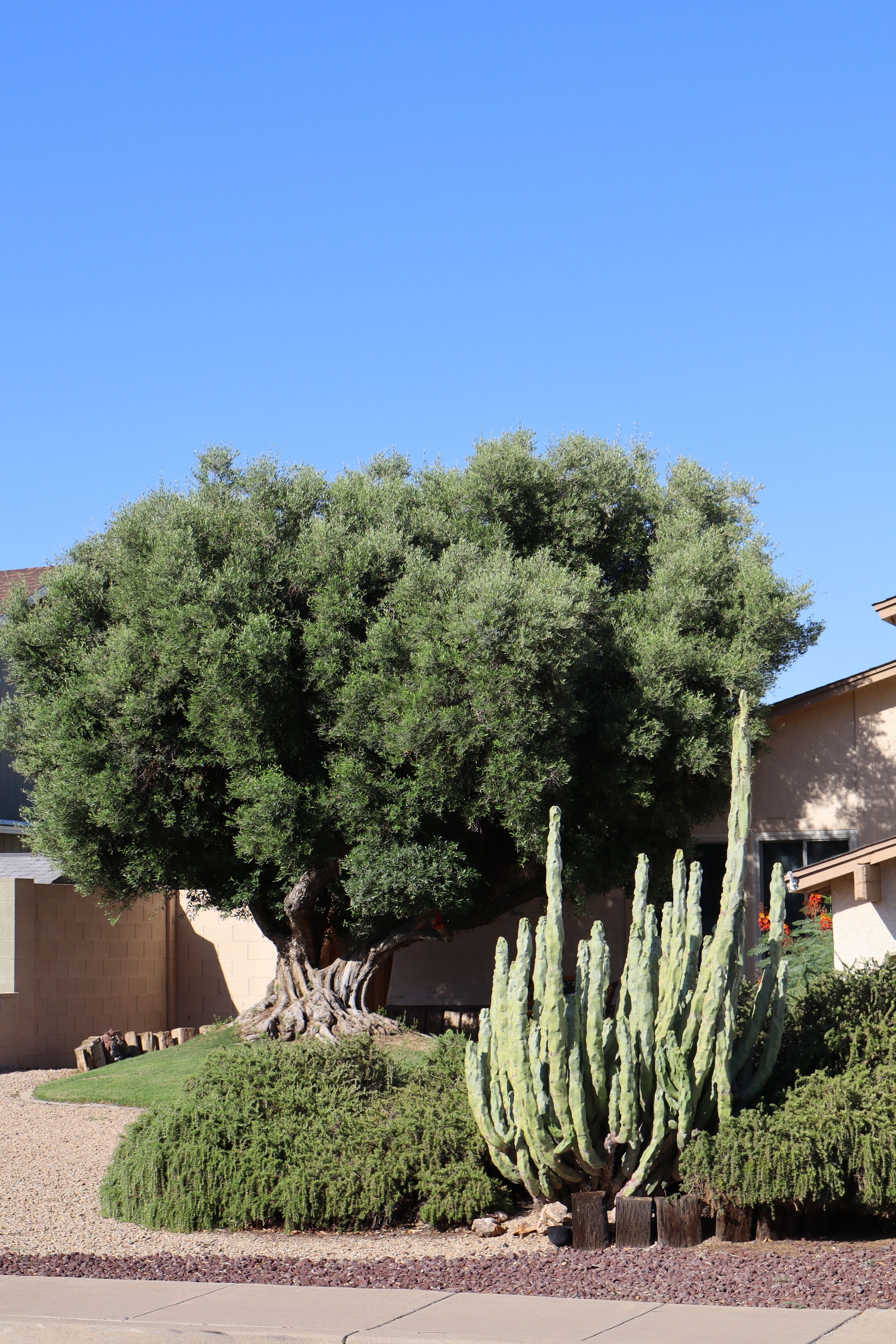
Climate and Soil Requirements
The climate in San Simon is characterized by hot summers and mild winters, which are perfect for olive trees. These trees thrive in temperatures between 60°F and 80°F. The region's well-drained, sandy loam soil is also beneficial for olive cultivation, providing the necessary nutrients and drainage.
Before planting, it's crucial to test the soil's pH level, which should be between 6 and 8. Adjustments can be made with lime or sulfur to achieve the ideal conditions. Investing in soil health from the beginning can lead to more productive olive trees.
Choosing Olive Varieties
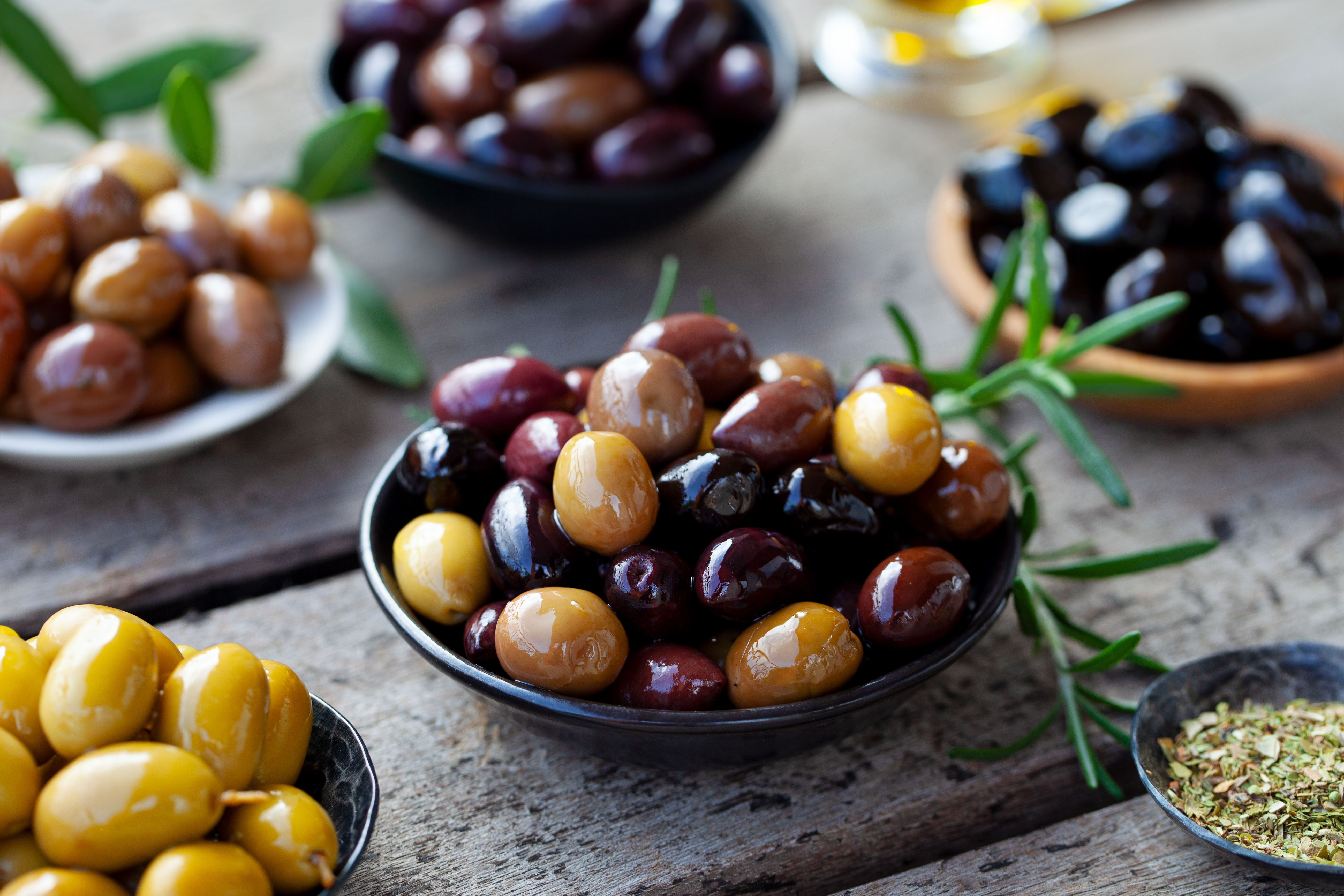
When selecting olive varieties, consider both climatic adaptability and market demand. Popular varieties in San Simon include Arbequina, Koroneiki, and Mission. These varieties are known for their resilience and high oil content, making them ideal for both table olives and oil production.
Planting and Irrigation
Proper planting techniques are essential for a healthy olive grove. Ensure trees are spaced at least 15 feet apart to allow for adequate growth and sunlight exposure. Drip irrigation systems are recommended in San Simon, as they conserve water while providing consistent moisture to the roots.
Regular monitoring of the irrigation system is necessary to prevent over-watering or under-watering, both of which can stress the trees and reduce yield.
Pest and Disease Management
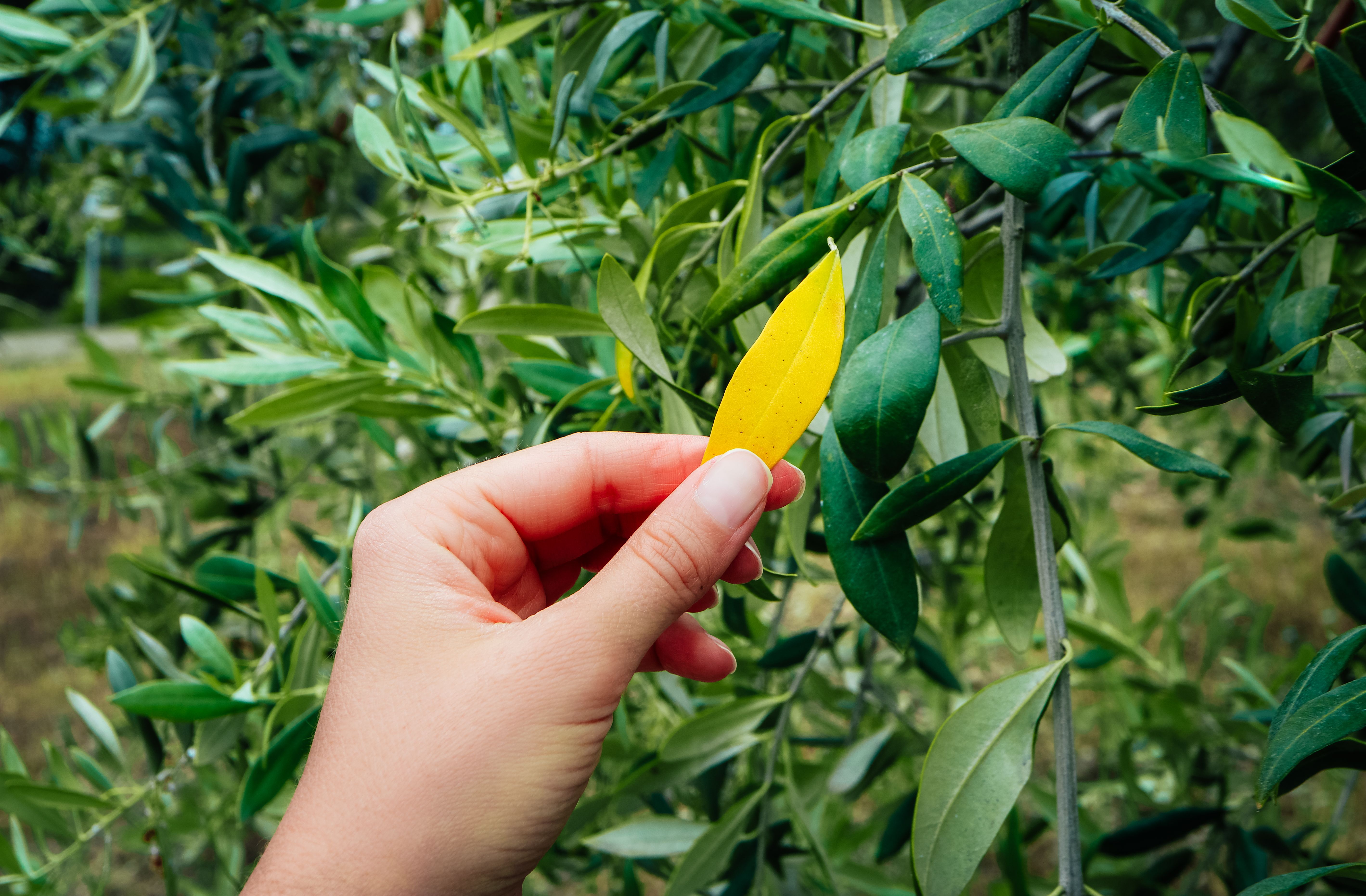
Olive trees are susceptible to pests like the olive fruit fly and diseases such as verticillium wilt. Integrated pest management (IPM) strategies can help control these threats. Regularly inspecting trees and employing natural predators are effective ways to manage pest populations.
Harvesting and Processing
Harvesting typically occurs in late fall when olives reach their desired ripeness. The timing of the harvest can affect the flavor and quality of both table olives and olive oil. Mechanical harvesters are often used to efficiently gather the fruit in larger groves.
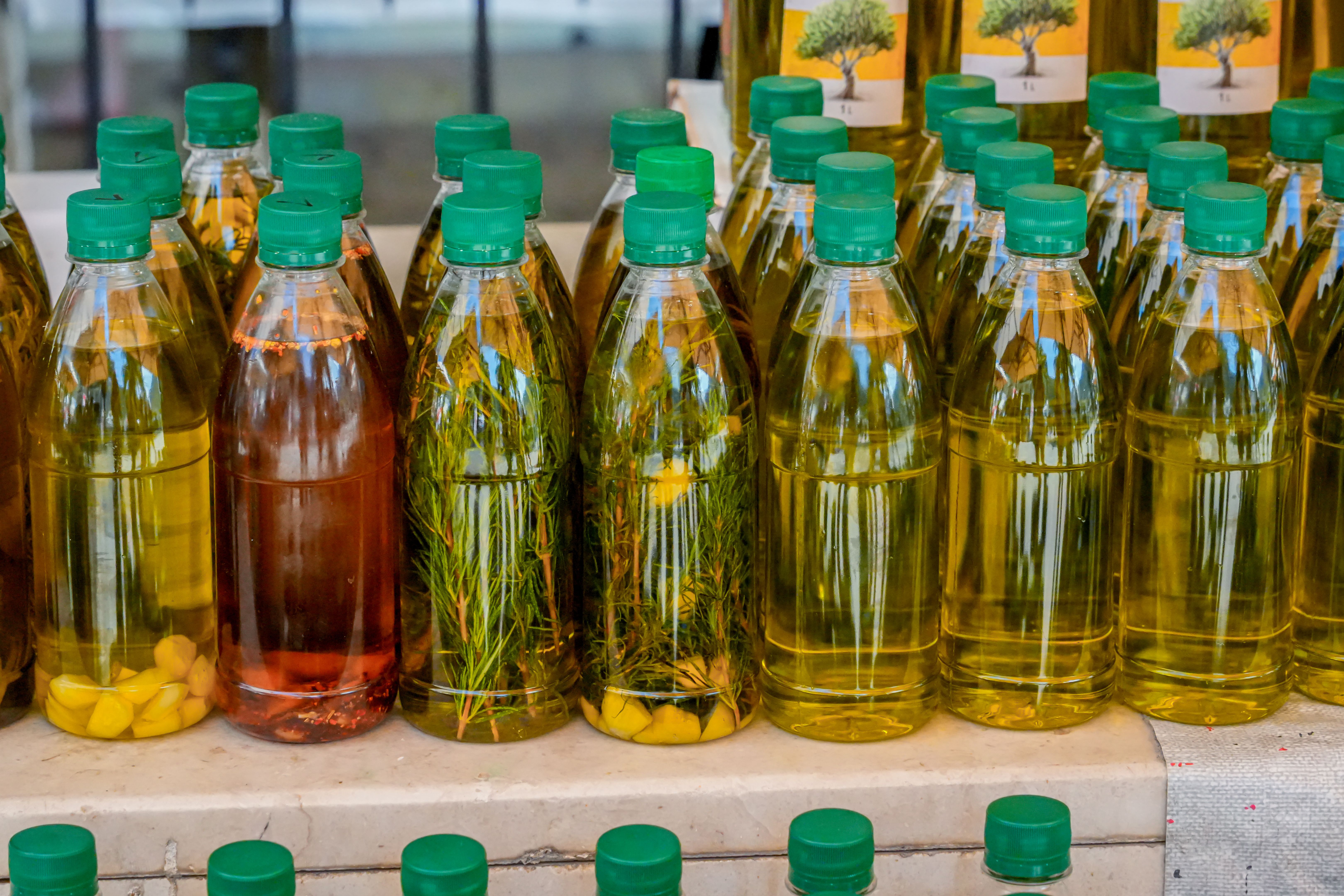
Post-harvest, olives must be processed quickly to maintain quality. For oil production, cold pressing is a preferred method as it preserves the flavors and health benefits of the olives.
Marketing and Selling Your Olives
Successfully marketing your olives involves understanding consumer preferences and trends. Local farmers' markets, gourmet shops, and online platforms are excellent avenues for selling your products. Highlighting the unique characteristics of your olives, such as being locally grown in San Simon, can attract a dedicated customer base.
Conclusion
Olive farming in San Simon, AZ, offers a promising opportunity for those willing to invest time and resources. By understanding the climate, soil requirements, and best practices for cultivation, you can establish a thriving olive business in this unique desert landscape. As demand for high-quality olives and olive oil continues to grow, your farm can become a key player in this burgeoning market.