Comparing Olive Varieties for Optimal Growth in Arizona


Understanding Olive Varieties
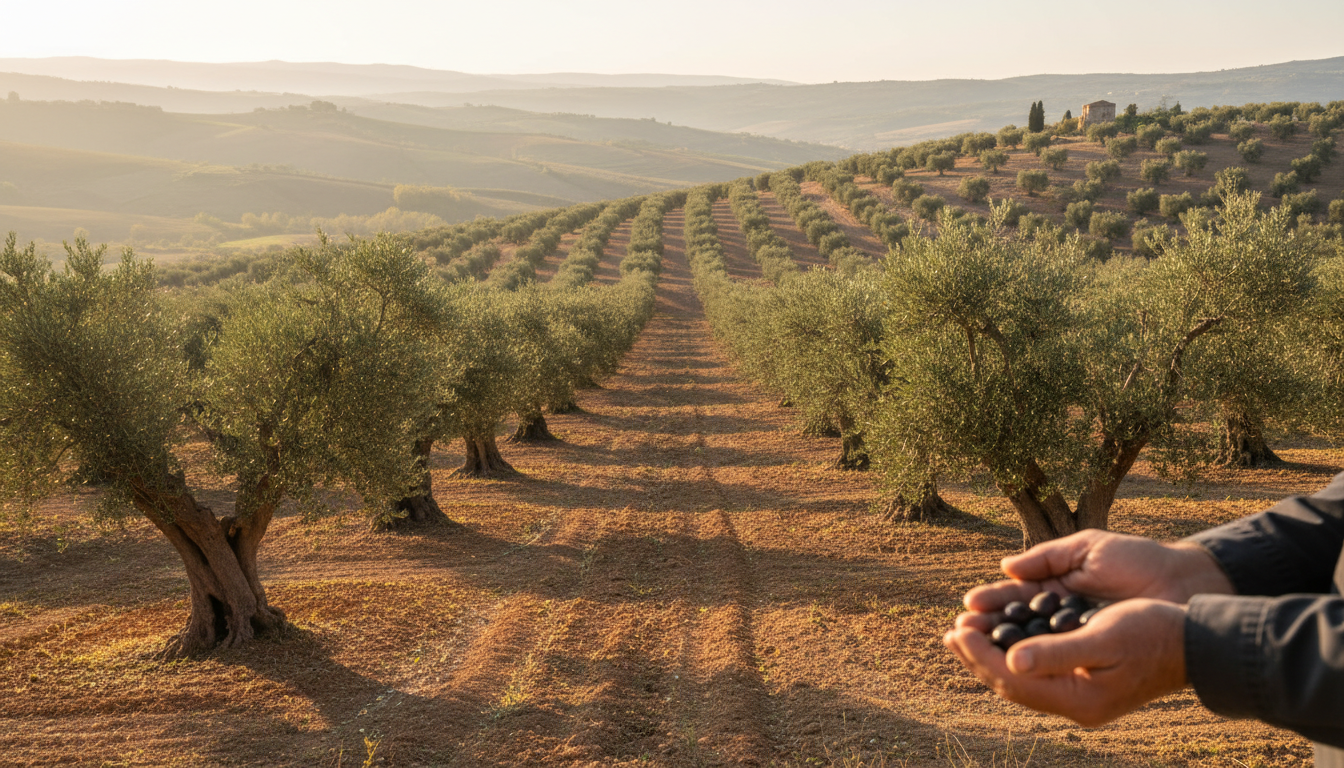
The climate and soil conditions of Arizona offer a unique environment for growing olives. With intense sunlight and minimal rainfall, selecting the right olive variety is crucial for optimal growth and yield. The key is to find varieties that thrive in these arid conditions while producing high-quality olives.
Olive trees are known for their resilience, but not all varieties are suited for every climate. In Arizona, factors such as drought tolerance, heat resistance, and soil adaptability play a significant role in determining the success of an olive grove.
Popular Olive Varieties in Arizona
Manzanillo
Manzanillo olives are widely grown in Arizona due to their adaptability and productivity. Known for their large size and rich flavor, these olives are perfect for both table consumption and oil production. They are drought-resistant, making them an excellent choice for Arizona's dry climate.
Kalamata
Recognized for their unique almond shape and dark purple color, Kalamata olives are another popular choice. Although they require more water compared to other varieties, their rich taste and high oil content make them a favorite among growers willing to invest in irrigation.
Factors to Consider When Choosing Olive Varieties
When selecting olive varieties for growing in Arizona, consider the following factors:
- Drought Tolerance: Choose varieties known to withstand long periods without water.
- Heat Resistance: Opt for varieties that can endure high temperatures.
- Soil Compatibility: Ensure the variety can thrive in the local soil conditions.
Arbequina
Arbequina olives are gaining popularity in Arizona due to their adaptability. These small olives are known for their high oil yield and are well-suited for intensive farming. They tolerate a range of soil types, making them versatile and practical for various regions in Arizona.
Challenges and Solutions
Growing olives in Arizona isn't without its challenges. The primary concerns are water scarcity and extreme temperatures. Implementing efficient irrigation systems, such as drip irrigation, can mitigate these issues by providing precise amounts of water directly to the plant roots.
Additionally, mulching and proper soil management can help retain moisture and regulate soil temperature, promoting healthier and more productive olive trees.
Conclusion
Choosing the right olive variety is essential for successful cultivation in Arizona's unique climate. By considering factors like drought tolerance and soil adaptability, growers can select varieties that will not only survive but thrive, producing abundant and high-quality harvests.
With careful planning and management, Arizona can continue to be a promising region for olive production, offering delicious and high-quality olives to the world market.