Comparing Olive Oil Production Techniques: Traditional vs. Modern Methods


Introduction to Olive Oil Production
Olive oil, cherished for its flavor and health benefits, has been produced for thousands of years. The techniques used to extract this liquid gold have evolved significantly over time. Today, we can broadly categorize these methods into traditional and modern techniques, each with its own unique characteristics and benefits.
Traditional Olive Oil Production Techniques
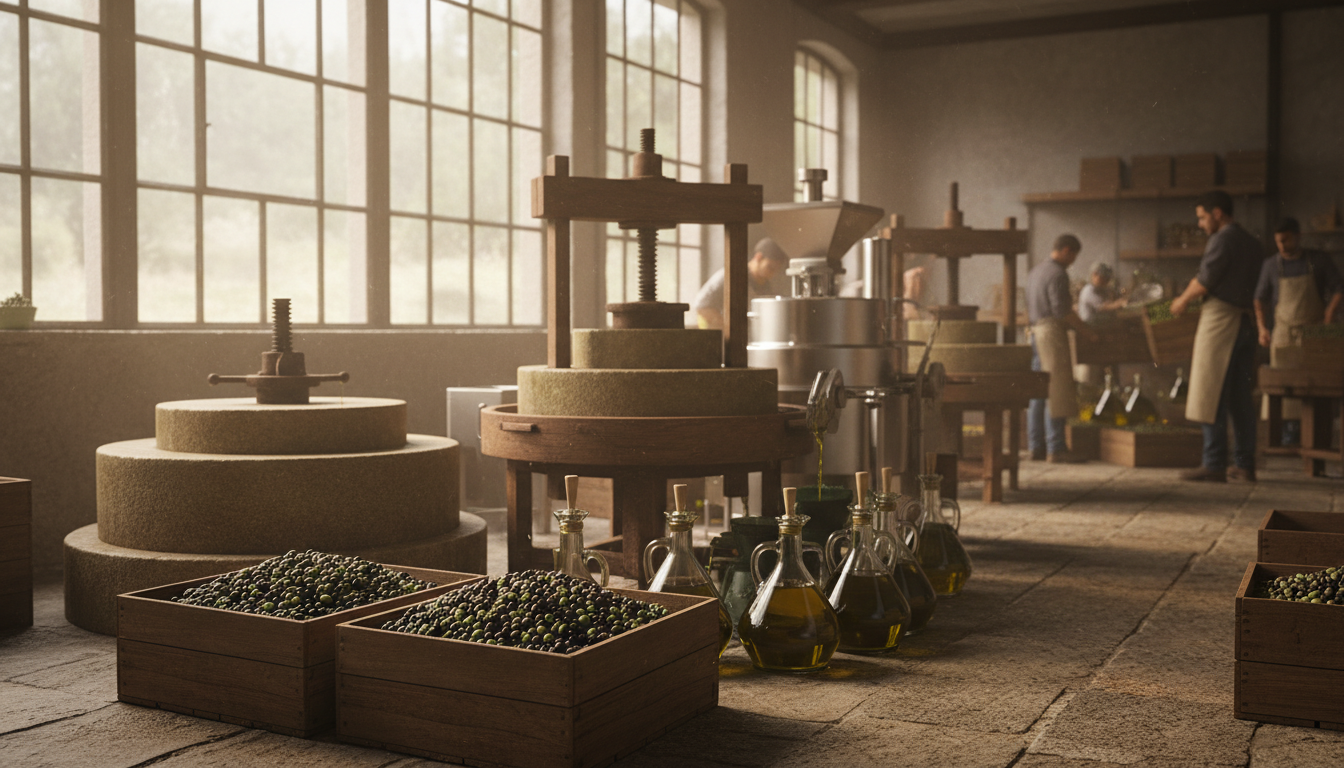
Traditional olive oil production, often seen in regions like the Mediterranean, involves age-old practices. The process typically starts with hand-picking olives, which ensures minimal damage to the fruit. Once harvested, the olives are cleaned, crushed using stone mills, and pressed to extract the oil.
The Role of Stone Mills
Stone mills, or millstones, have been a staple in traditional olive oil production. These massive stones crush the olives with a gentle pressure that helps retain the flavor and nutrients of the oil. The process is slow, but many producers argue that it results in a superior, more authentic taste.
Advantages of Traditional Methods
One of the main advantages of traditional methods is the preservation of flavor. The slow crushing process allows for the oil to maintain its natural aroma and taste. Additionally, traditional methods are often seen as more environmentally friendly and sustainable, as they typically involve fewer chemical and mechanical interventions.
Modern Olive Oil Production Techniques
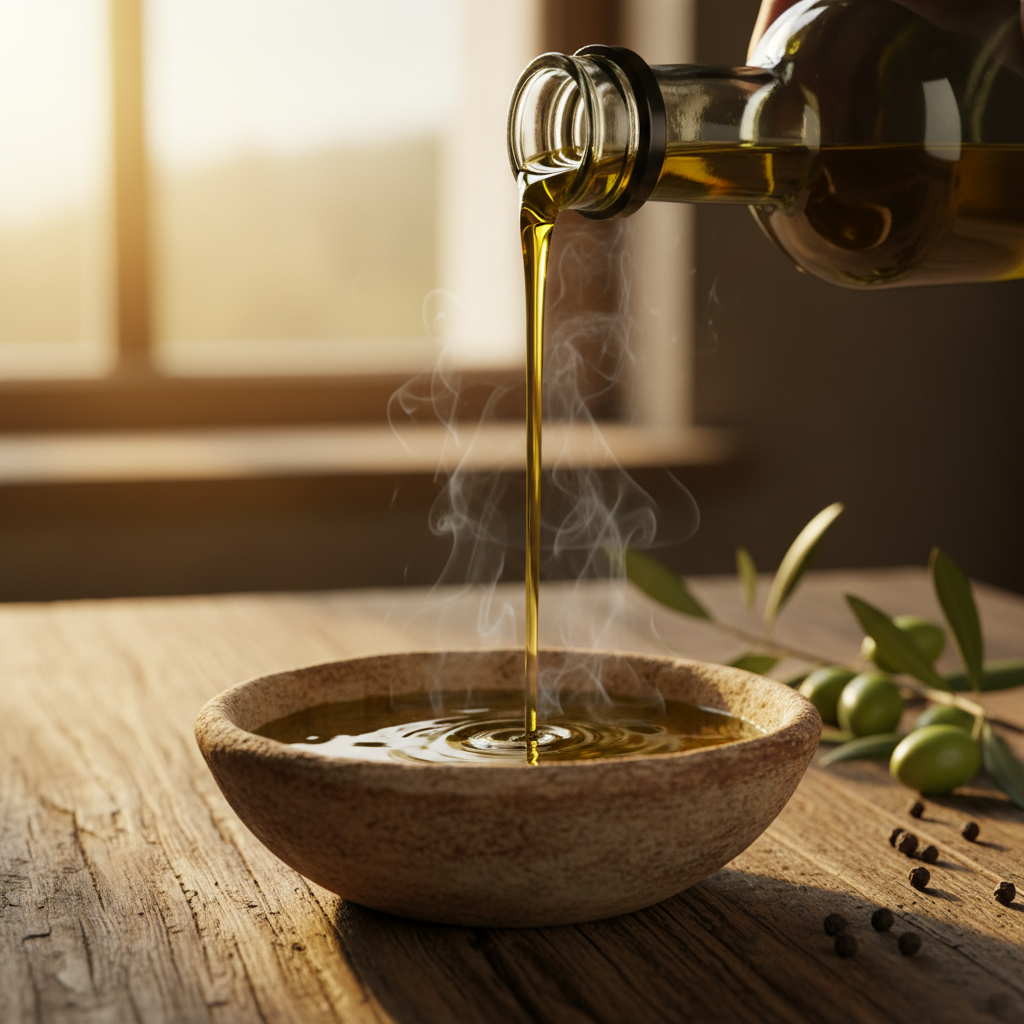
Modern olive oil production techniques have revolutionized the industry, allowing for increased efficiency and consistency. These methods often involve mechanical harvesting and advanced machinery to extract the oil, significantly speeding up the process.
Mechanical Harvesting and Centrifugation
In modern production, mechanical harvesters can quickly collect olives, reducing labor costs and time. The olives are then processed using centrifuges, which separate the oil from water and solids. This method is highly efficient, handling larger volumes with minimal manual intervention.
Benefits of Modern Methods
Modern techniques offer numerous benefits, including higher production rates and consistent quality. The use of technology ensures that the oil is extracted more quickly, reducing the chance of oxidation and improving shelf life. Additionally, the precision of modern machinery often results in less oil wastage.
Comparing the Two Methods
When comparing traditional and modern olive oil production techniques, several factors come into play:
- Flavor and Quality: Traditional methods often win in terms of flavor, while modern techniques provide consistency.
- Efficiency: Modern methods are more efficient and scalable, ideal for large-scale production.
- Sustainability: Traditional methods tend to be more sustainable, with a lower environmental impact.
Choosing the Right Method
The choice between traditional and modern methods depends on various factors, including the scale of production, desired flavor profile, and environmental considerations. Small artisan producers may prefer traditional techniques to emphasize quality and authenticity, while larger producers may opt for modern methods to meet high demand.
Conclusion
Both traditional and modern olive oil production techniques have their own merits. Whether you're a consumer or a producer, understanding these methods can help you appreciate the complexities involved in creating this beloved product. Ultimately, the best choice often depends on the balance between quality, efficiency, and sustainability.