Common Misconceptions About Orchard Maintenance: Debunked by Olivery Orchards


When it comes to orchard maintenance, there are many misconceptions that can lead to misguided efforts and poor results. At Olivery Orchards, we've seen firsthand how these myths can affect the success of an orchard. In this post, we aim to debunk some of the most common misconceptions and provide clarity.
Orchard Maintenance is Only Seasonal
One of the biggest myths is that orchard maintenance is only a seasonal task. While it's true that certain activities like pruning are seasonal, maintaining an orchard is a year-round endeavor. Regular monitoring and care ensure that trees remain healthy and productive throughout the year.
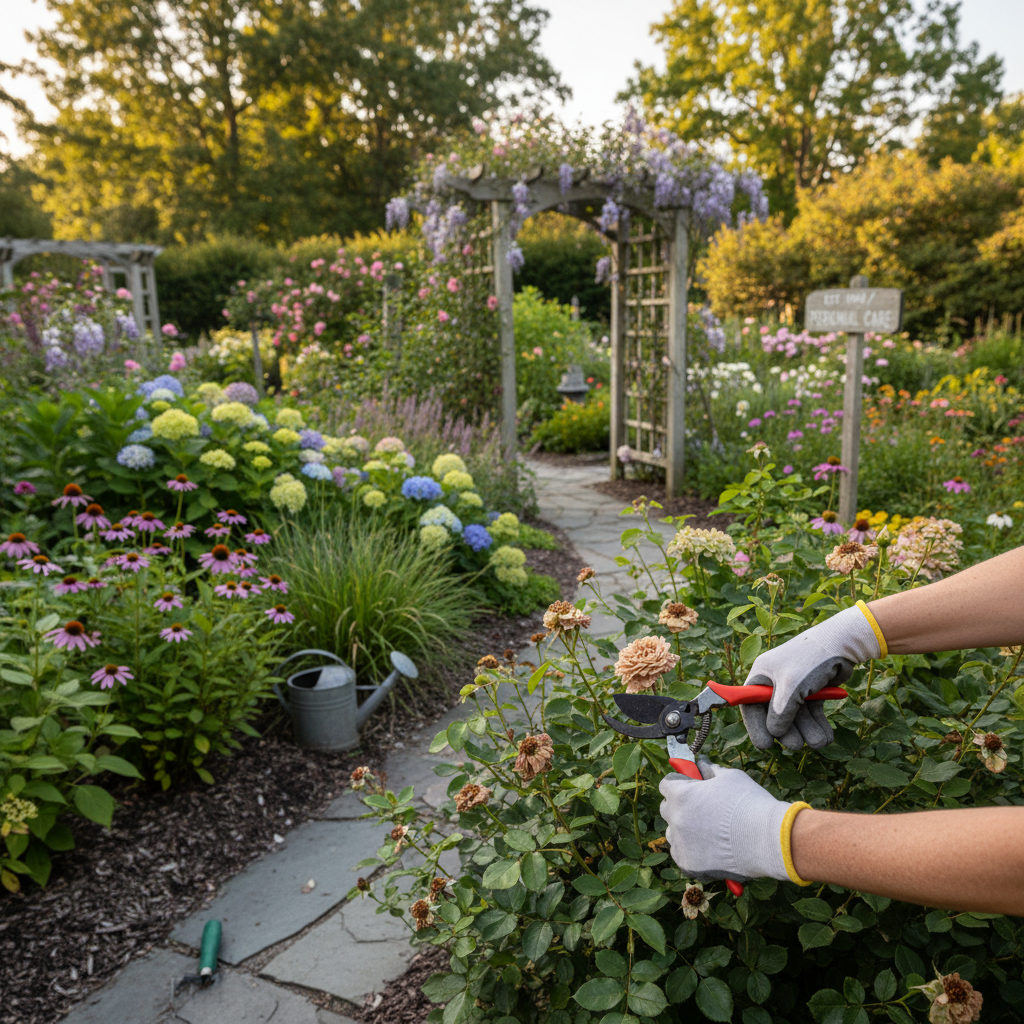
During the off-season, focus on tasks such as soil testing, equipment maintenance, and planning for the coming growing season. This proactive approach can prevent issues and set the stage for a bountiful harvest.
All Fruit Trees Require the Same Care
Another misconception is that all fruit trees require the same care. In reality, different types of fruit trees have specific needs based on their species, climate, and soil conditions. For example, apple trees may require different pruning techniques and pest management strategies compared to cherry trees.
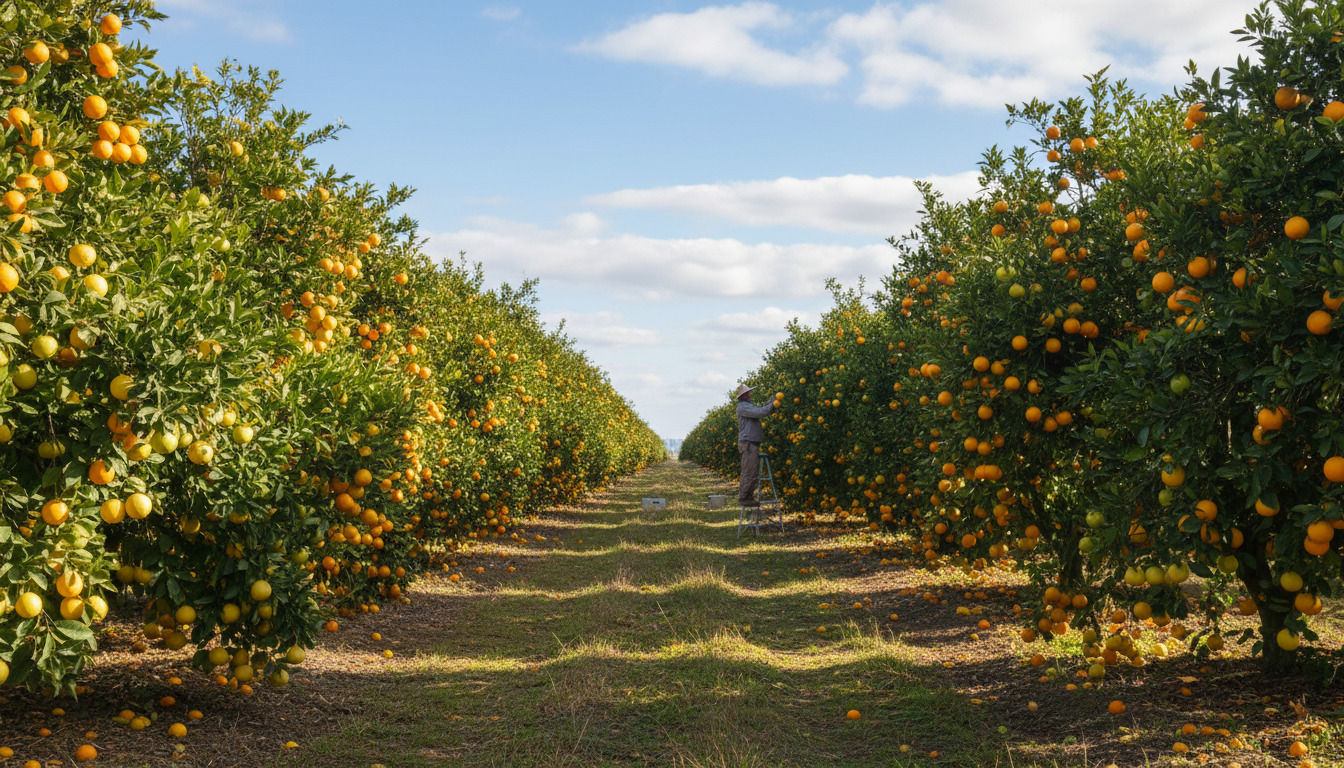
Understanding the unique requirements of each tree type is crucial for effective orchard maintenance. Tailoring your approach to each species can significantly enhance productivity and fruit quality.
Pest Control is About Eliminating All Insects
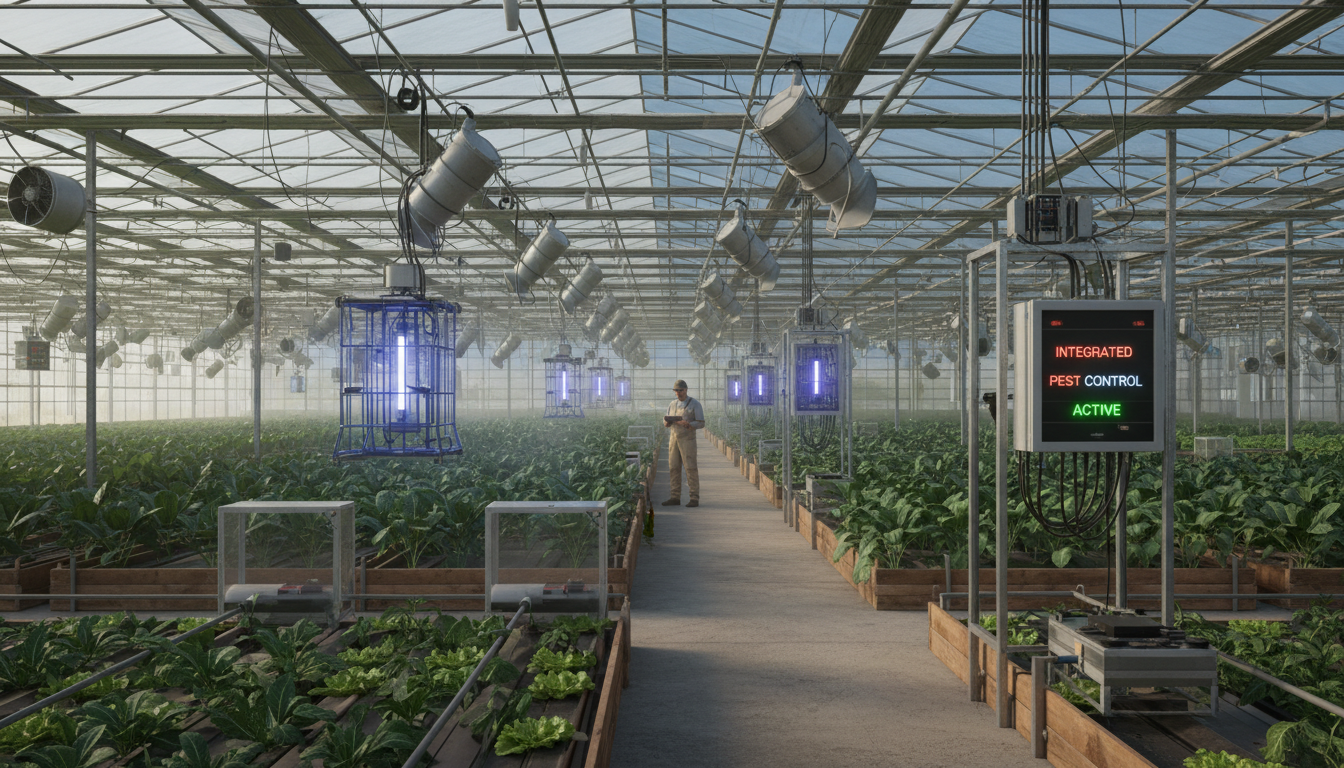
Many believe that pest control in orchards means eliminating all insects, but this isn't the case. Not all insects are harmful; in fact, some are beneficial and help with pollination and pest control. The goal should be to maintain a balanced ecosystem.
Integrated Pest Management (IPM) is a strategic approach that combines biological, cultural, physical, and chemical tools to manage pests sustainably. This method focuses on long-term prevention and control rather than complete eradication.
Fertilizers Can Fix All Nutrient Deficiencies
Relying solely on fertilizers to fix nutrient deficiencies is another common mistake. While fertilizers can provide necessary nutrients, they should be used as part of a comprehensive soil management strategy. Regular soil testing is essential to understand the specific needs of your orchard.
- Conduct soil tests annually to monitor nutrient levels.
- Use organic matter to improve soil structure and health.
- Apply fertilizers based on soil test recommendations.
By understanding and addressing the root cause of nutrient deficiencies, you can ensure healthier and more productive trees.
Pruning is Only for Aesthetic Purposes
Some orchardists view pruning as merely an aesthetic practice, but it plays a critical role in tree health and fruit production. Proper pruning improves air circulation, reduces disease risk, and encourages new growth.
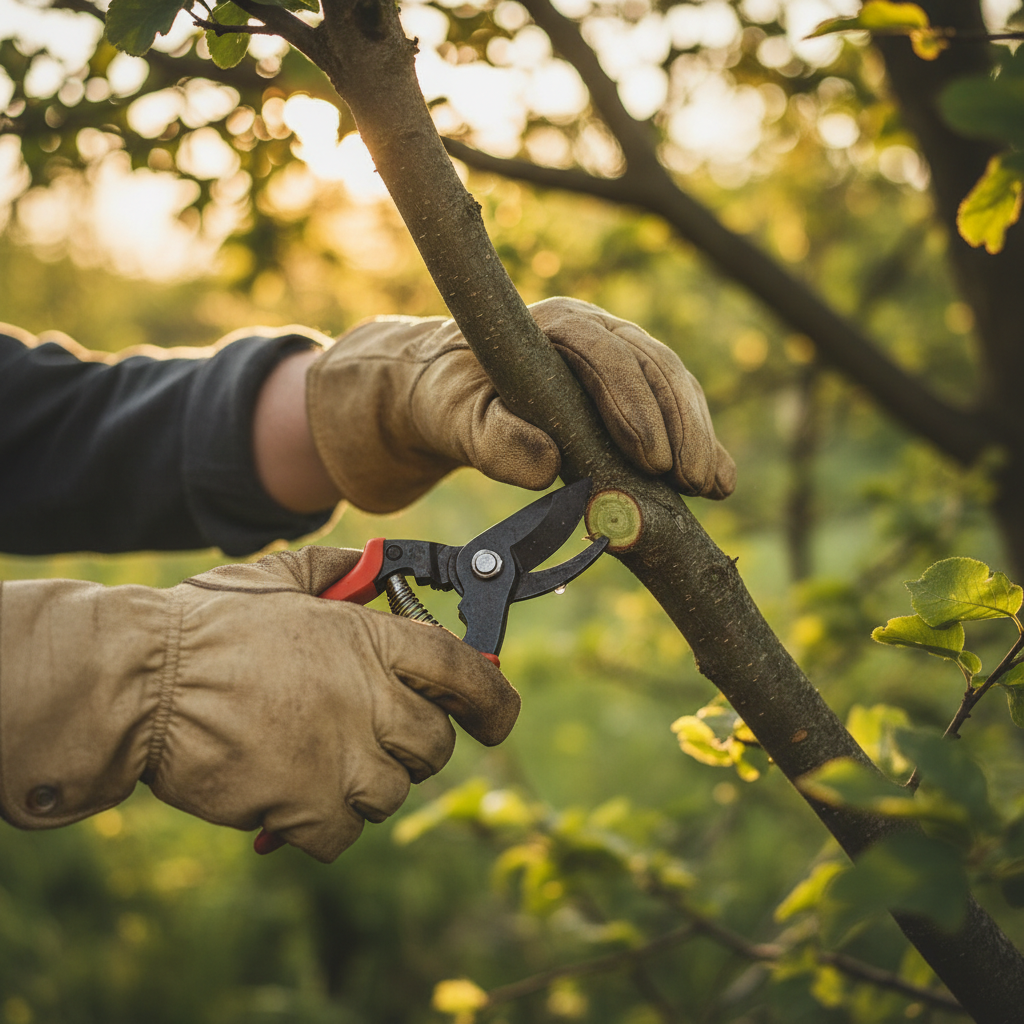
Pruning should be done with a clear understanding of the tree's growth patterns and fruiting habits. This ensures that the process supports the tree's natural development and enhances its productivity.
Conclusion
Debunking these misconceptions is vital for the success of any orchard. By understanding the realities of orchard maintenance, you can implement strategies that promote healthy growth and bountiful harvests. At Olivery Orchards, we're committed to sharing our expertise and helping orchardists achieve their goals.