Common Misconceptions About Olive Farming Debunked


Understanding Olive Farming: Debunking Myths
Olive farming is an ancient practice steeped in tradition, yet surrounded by misconceptions. These myths can deter potential farmers or mislead consumers. Let's explore and debunk some of these common misunderstandings.
Myth 1: Olive Trees Require Constant Watering
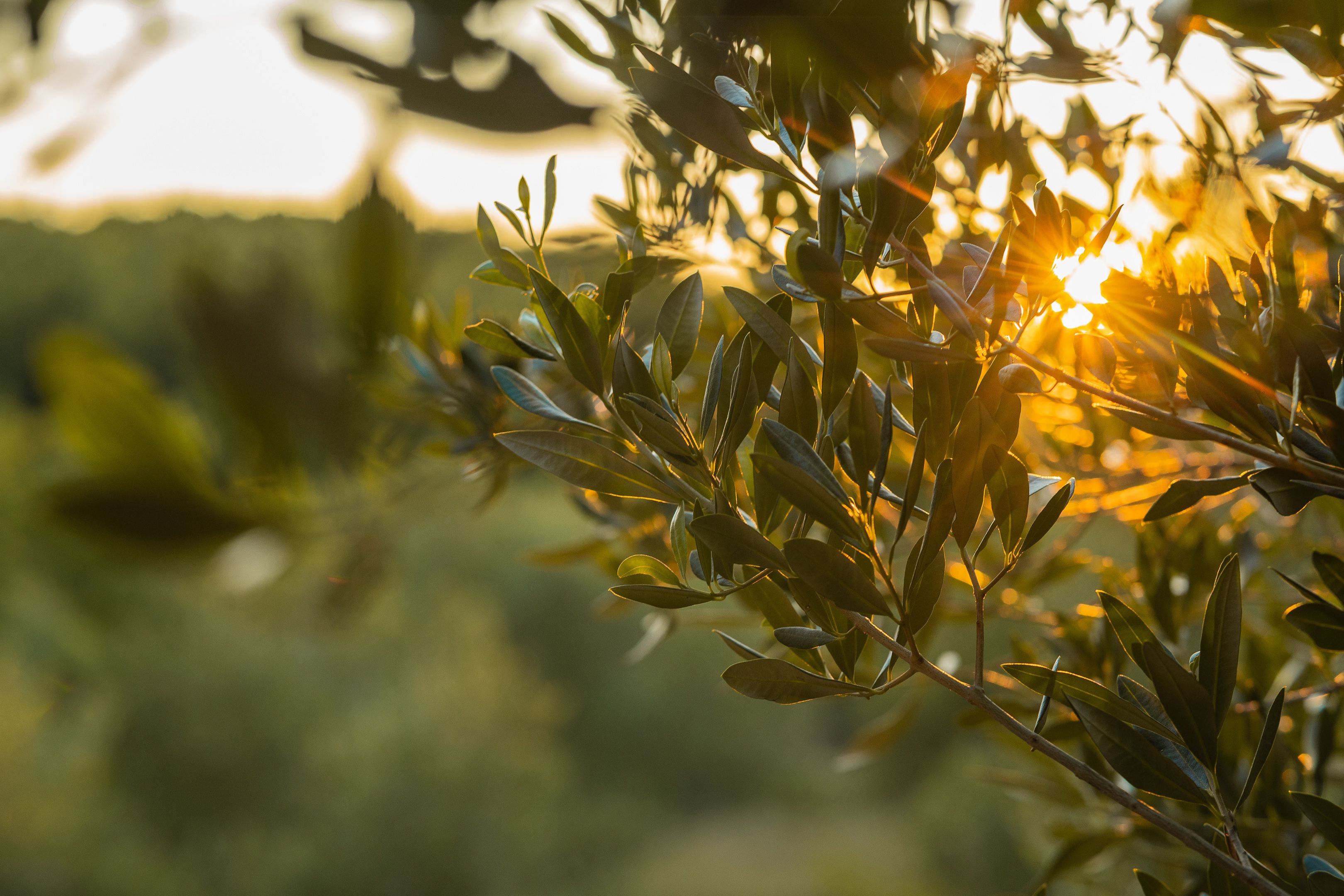
A prevalent belief is that olive trees need frequent watering. In reality, olive trees are incredibly drought-resistant. Originating from the Mediterranean, they have adapted to thrive in arid conditions. While young trees need regular watering, mature trees can survive with minimal water, drawing from deep soil moisture.
It's crucial to understand that over-watering can actually harm olive trees, leading to root rot and other issues. Farmers should focus on efficient water management strategies, especially in regions prone to drought.
Myth 2: All Olive Oil Tastes the Same
Another common misconception is that all olive oil is alike. However, various factors influence the flavor profile of olive oil, including the type of olive, harvest time, and processing methods. There are numerous varieties of olives, each contributing distinct tastes ranging from fruity to peppery.
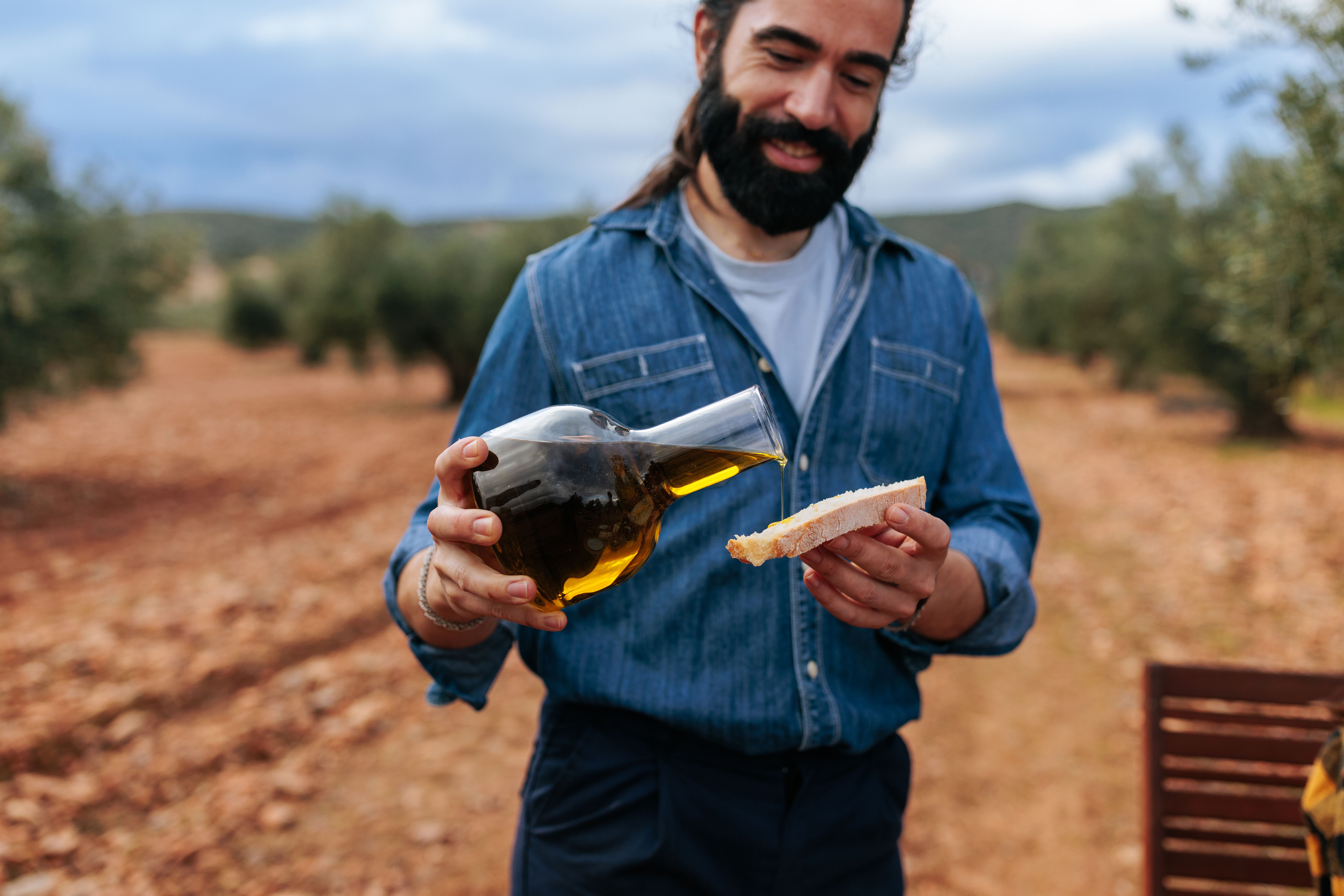
Educating consumers about these differences can enhance their appreciation and selection of olive oils. Encouraging olive oil tasting sessions can be a great way to explore the diverse flavors available.
Myth 3: Olive Farming Is Only Viable in the Mediterranean
Traditionally, olive farming is associated with the Mediterranean region, but this is no longer the only place where olive trees can thrive. Olives are now cultivated in diverse climates, including parts of the United States, Australia, and South America.
Advancements in agricultural techniques have enabled farmers to grow olives in regions previously considered unsuitable, expanding the global olive oil market and providing new opportunities for farmers worldwide.
Myth 4: Olives Are Always Harvested by Hand
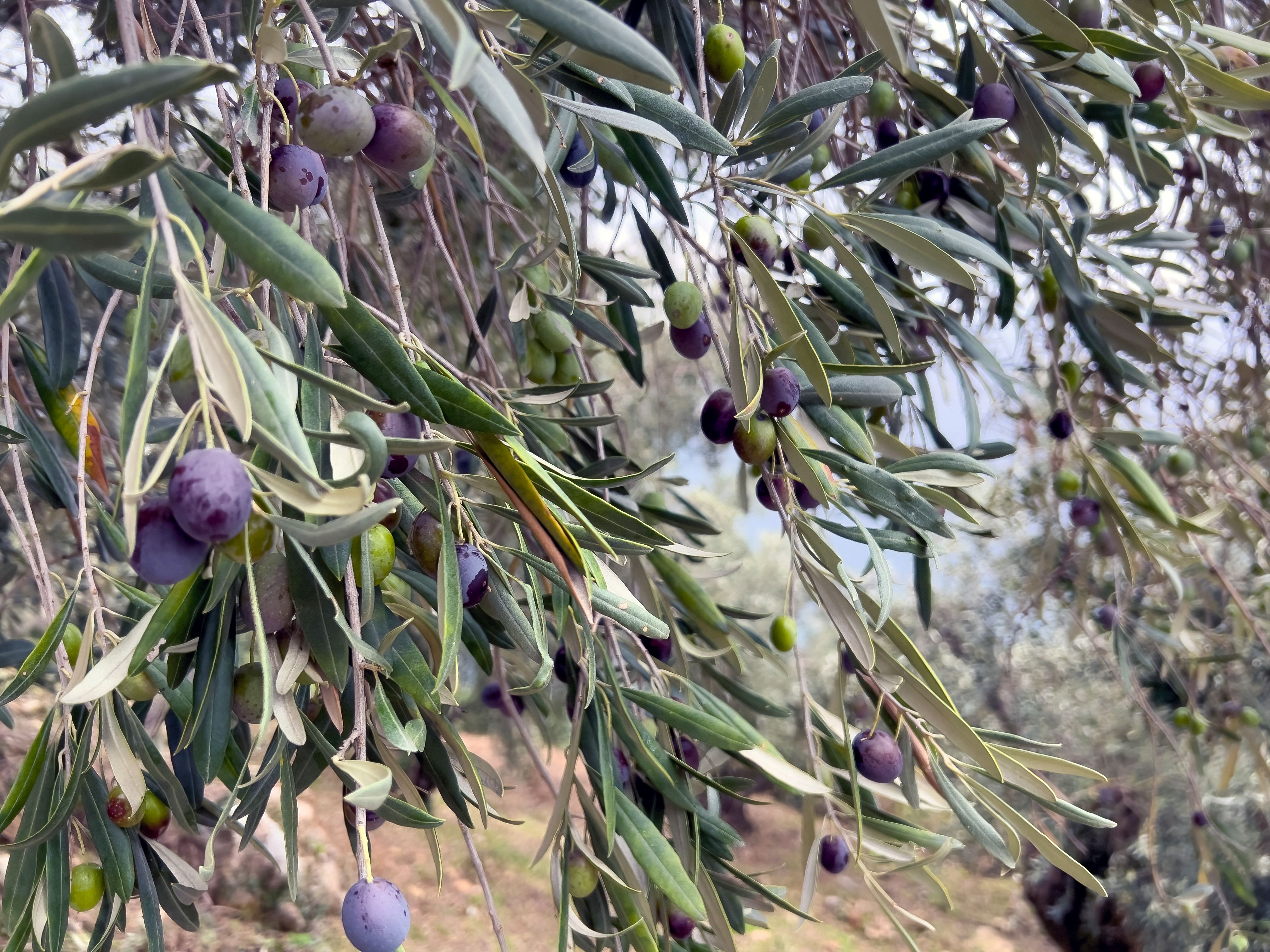
While hand-picking is a traditional method, especially for high-quality oils, it's not the only way olives are harvested. Modern olive farming often employs mechanical harvesters, which can be more efficient and cost-effective, especially for larger farms.
These machines gently shake the trees, allowing olives to fall onto nets or conveyor belts. This method significantly reduces labor costs and time, making it an attractive option for many olive producers.
Conclusion: Embracing Modern Olive Farming
As we debunk these myths, it's clear that olive farming is a dynamic and evolving industry. By embracing modern techniques and understanding the true needs of olive trees, farmers can enhance productivity and sustainability.
Whether you're a farmer or a consumer, understanding the realities of olive farming can lead to better choices and appreciation for this ancient yet ever-relevant practice.