Busting Myths About Olive Farming in Desert Climates


Introduction to Olive Farming in Desert Climates
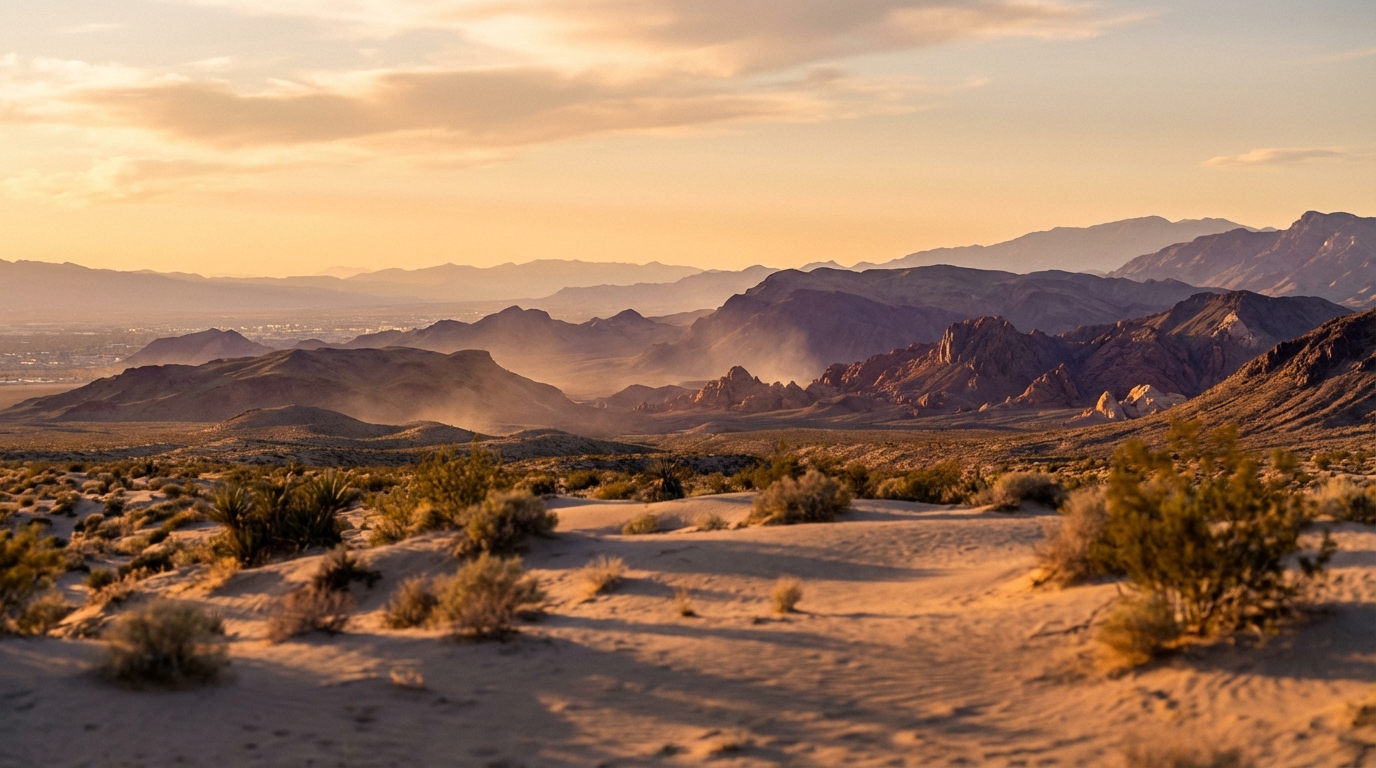
Olive farming in desert climates is often seen as an impossibility, but this perception is far from the truth. Recent advancements and innovative techniques have made it feasible and even profitable. In this post, we'll explore and debunk common myths surrounding this intriguing agricultural practice.
Myth 1: Olives Require Constant Watering
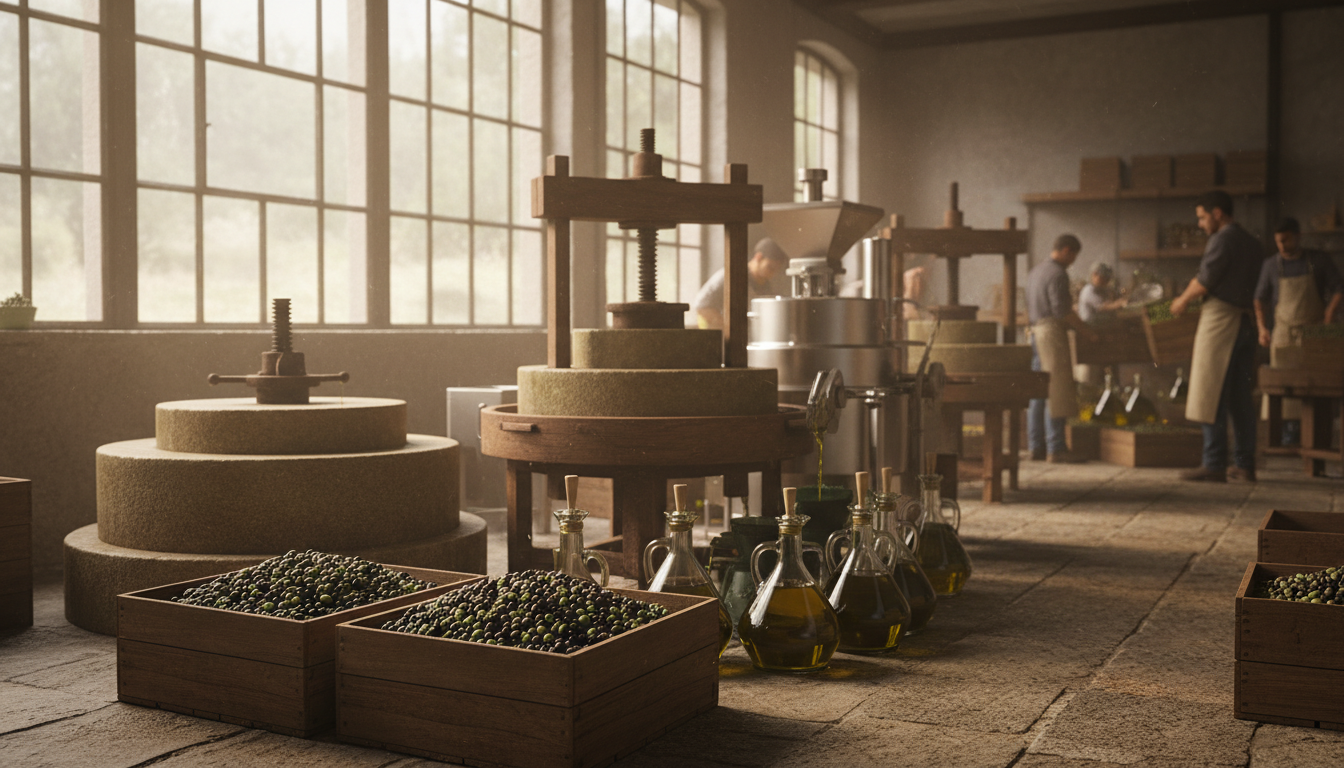
One prevalent myth is that olives need constant watering. While water is essential, olives are incredibly drought-resistant. They have adapted to survive in arid conditions, making them well-suited for desert climates. Drip irrigation methods can efficiently provide the necessary moisture without wasting water resources.
Myth 2: Desert Soil is Unfit for Olive Cultivation
Another misconception is that desert soil cannot support olive trees. While it's true that deserts often have poor soil quality, soil management techniques such as adding organic matter and using soil amendments can significantly improve fertility. Additionally, olives are resilient and can thrive in less-than-ideal soil conditions.

Myth 3: Extreme Temperatures Will Kill Olive Trees
Deserts are known for their extreme temperatures, but olive trees are surprisingly hardy. They can withstand both high heat and occasional cold spells. Proper planning and selecting the right olive varieties can mitigate the effects of temperature extremes.
Innovative Techniques in Olive Farming
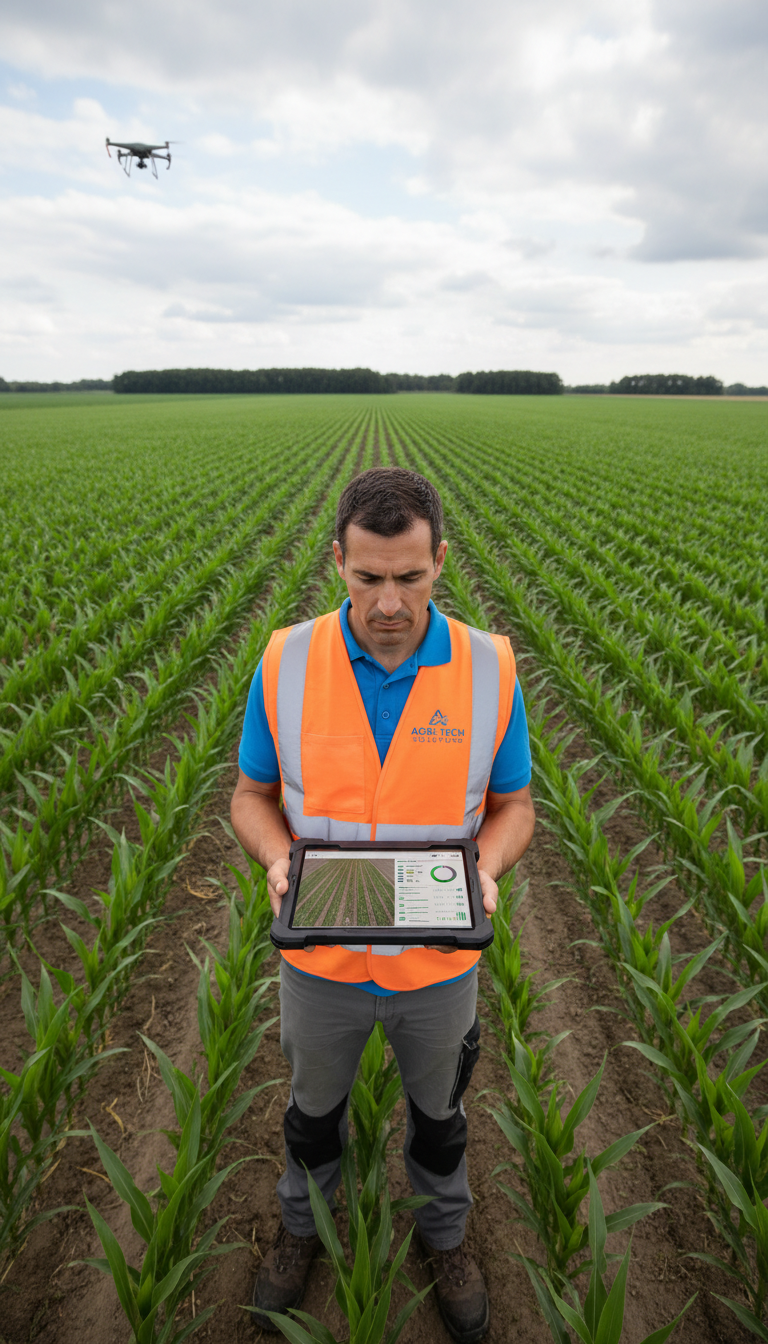
With technology, olive farming in deserts has become more sustainable. Techniques such as precision agriculture and the use of sensors to monitor soil moisture levels help farmers optimize resources and improve yields. These innovations have revolutionized how olives are grown in challenging environments.
Benefits of Olive Farming in Deserts
There are several benefits to olive farming in deserts. It can help in land reclamation and mitigate desertification. Additionally, it provides an economic opportunity for regions with limited agricultural options. By turning barren land into productive farmland, communities can thrive and grow.
Conclusion: A Sustainable Future
In conclusion, olive farming in desert climates is not only possible but holds great potential for sustainability and economic growth. By busting these myths, we pave the way for more innovative farming practices that can transform arid regions into lush, productive landscapes.