A Comprehensive Guide to Sustainable Olive Farming in San Simon


Introduction to Sustainable Olive Farming
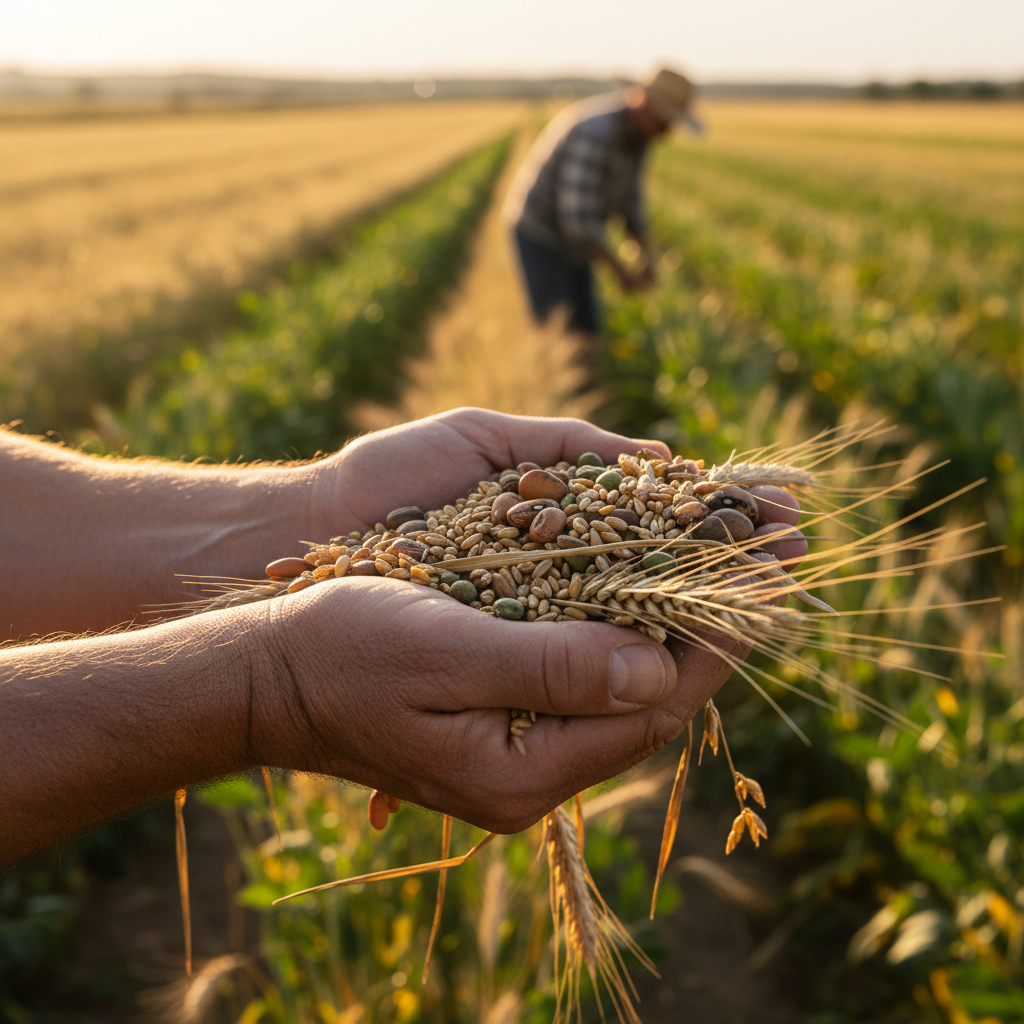
San Simon, known for its rich agricultural heritage, is embracing sustainable olive farming. This approach not only preserves the environment but also enhances the quality of the olive yield. As consumers become more conscious of their environmental impact, sustainable practices ensure a thriving future for both farmers and the ecosystem.
Transitioning to sustainable methods involves adopting practices that minimize harm to the land. In this guide, we explore the various strategies and benefits associated with sustainable olive farming in this vibrant region.
Understanding the Basics of Sustainable Farming
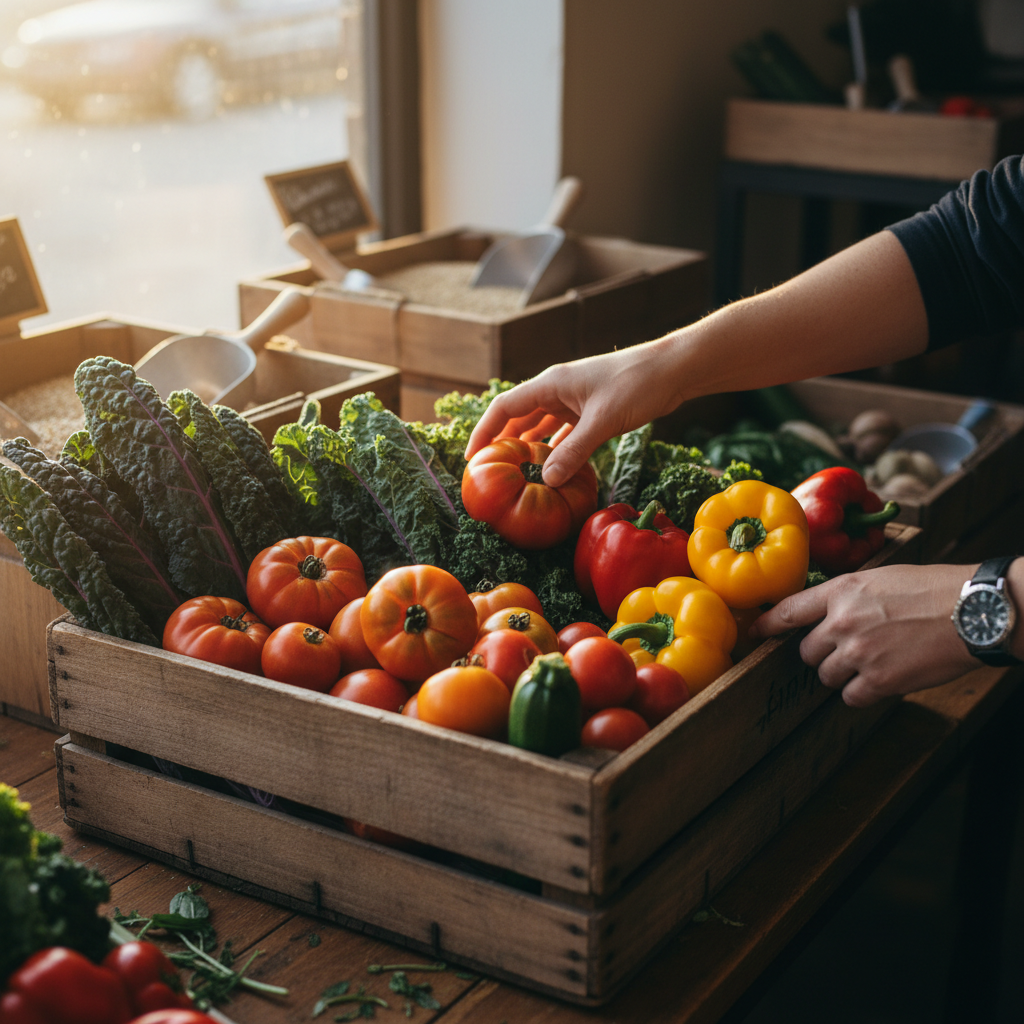
Sustainable farming is about maintaining the balance between agricultural productivity and environmental health. For olive farmers in San Simon, this means using resources efficiently, reducing waste, and ensuring that farming practices do not degrade the land.
Key aspects include water management, soil health, and biodiversity. By focusing on these areas, farmers can maintain healthy olive groves that produce high-quality fruit while supporting the local ecosystem.
Water Management Techniques
Water is a precious resource in agriculture. Sustainable olive farming in San Simon emphasizes efficient irrigation techniques. Drip irrigation is a popular method, as it delivers water directly to the roots, reducing wastage.
- Install rainwater harvesting systems to supplement irrigation.
- Utilize soil moisture sensors to avoid overwatering.
- Implement mulching to retain soil moisture.

Soil Health and Management
The health of the soil directly affects olive production. Sustainable practices involve using organic fertilizers, crop rotation, and cover cropping to maintain soil fertility. These methods help prevent erosion and increase soil organic matter.
Farmers are encouraged to test their soil regularly to understand its nutrient profile and make informed decisions about fertilization. Composting is also a valuable technique to enhance soil structure and nutrient content.
Promoting Biodiversity
Encouraging biodiversity within olive groves is crucial for a healthy ecosystem. Biodiverse farms support beneficial insects that act as natural pest controllers, reducing the need for chemical pesticides.
- Plant hedgerows and wildflower strips to attract pollinators.
- Create habitats for native wildlife to increase biodiversity.
- Rotate crops and integrate livestock to enhance ecosystem resilience.
The Economic Benefits of Sustainability
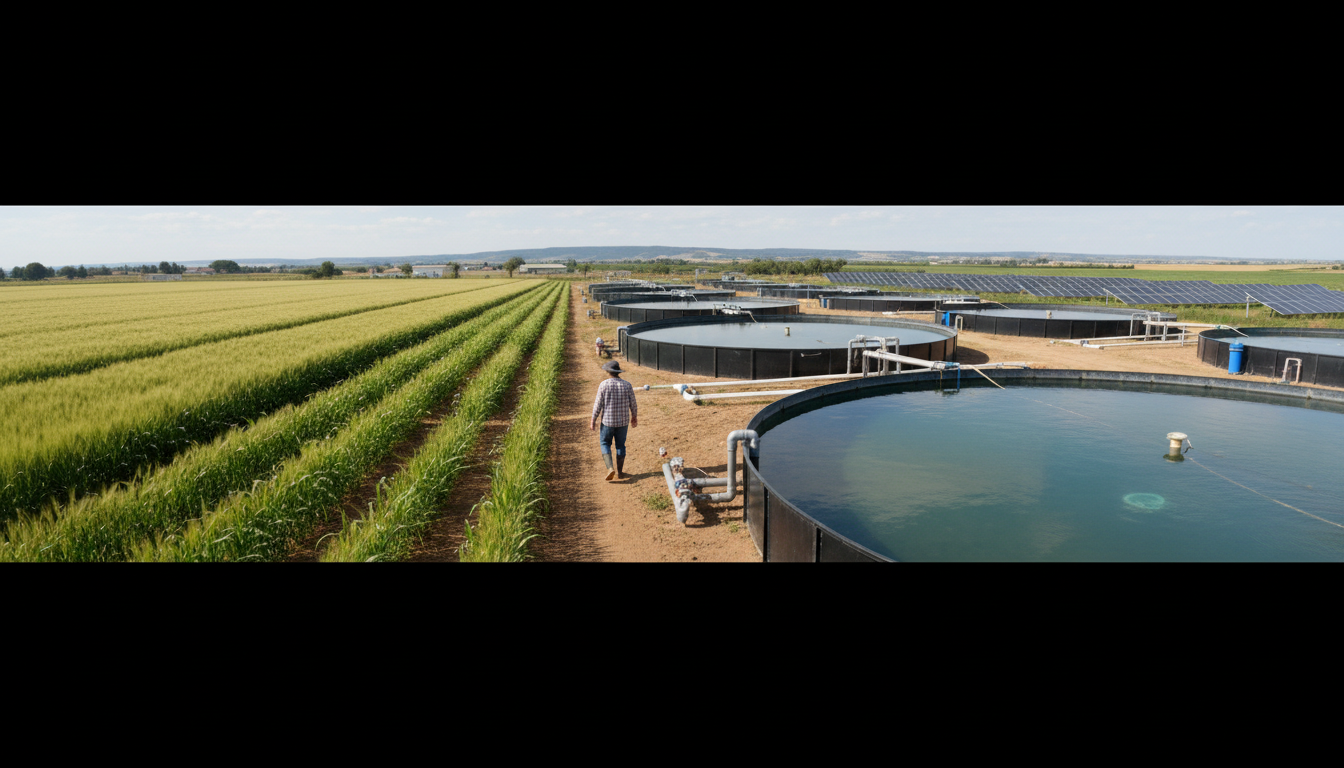
While the initial transition to sustainable farming might involve costs, the long-term economic benefits are significant. Sustainable practices can lead to increased yields, reduced input costs, and access to premium markets that value environmentally friendly products.
Moreover, government incentives and subsidies for sustainable agriculture can offset initial investments, making the transition more financially feasible for farmers in San Simon.
Conclusion
Adopting sustainable olive farming practices in San Simon is not just an environmental responsibility but also an opportunity to enhance economic viability. By focusing on efficient resource use, soil health, and biodiversity, farmers can ensure a thriving future for their groves.
As the demand for sustainably produced goods continues to rise, San Simon's olive farmers are well-positioned to lead the way in environmentally friendly agriculture, providing high-quality olives for generations to come.